
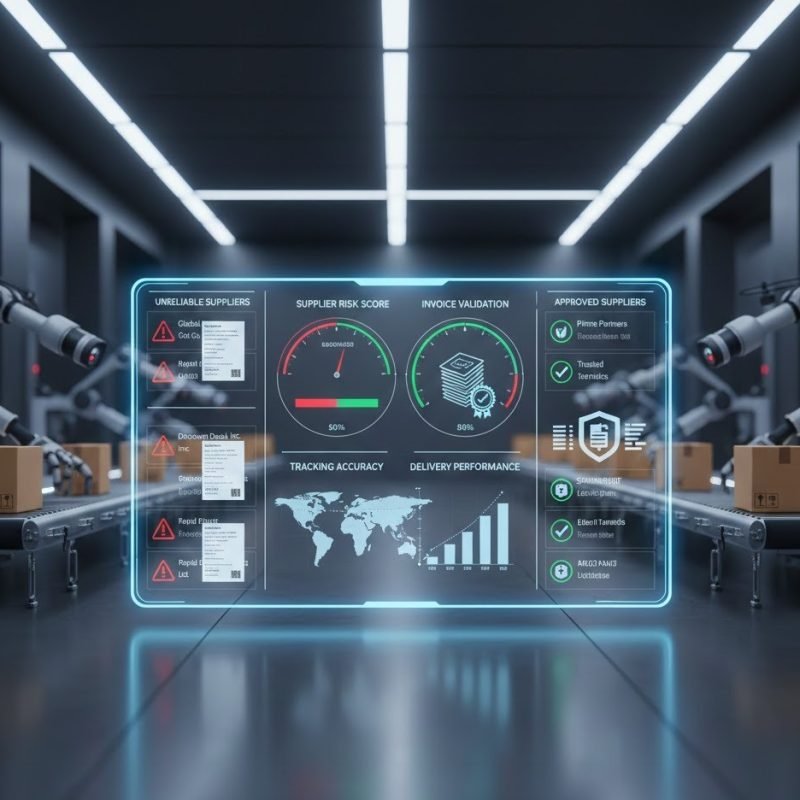
In 2-step dropshipping, suppliers are not just vendors. They are extensions of your Amazon account. Every shipment they send, every invoice they issue, and every tracking number they upload directly impacts your account health.
Most Amazon suspensions don’t happen because sellers intentionally break rules. They happen because sellers trusted the wrong suppliers.
At Ecommatic, we’ve seen accounts with strong sales history get flagged simply because one supplier failed silently in the background. That’s why supplier vetting is one of the most serious parts of our dropshipping framework.
This article breaks down the real red flags we look for, explains why each one is dangerous, and shows how our vetting system prevents problems before Amazon detects them.
Why Supplier Risk Is Higher in 2-Step Dropshipping
2-step dropshipping sits in a sensitive position between FBM and FBA. You don’t control manufacturing, and Amazon doesn’t control fulfillment. That means you carry full responsibility without full visibility—unless you build it intentionally.
Amazon holds sellers accountable for:
- Delivery speed and accuracy
- Tracking legitimacy
- Product condition
- Documentation authenticity
- Customer experience
A supplier failure is never treated as a supplier problem. It becomes a seller violation.
This is why Ecommatic approaches suppliers with a risk-first mindset, not a price-first one.
Red Flag #1: Weak or Questionable Invoices
Invoices are Amazon’s primary trust signal.
Suppliers who provide:
- Editable or poorly formatted invoices
- Generic receipts instead of official invoices
- Missing business details
- Mismatched SKUs or quantities
put sellers at immediate risk during:
- Account reviews
- Listing investigations
- Suspension appeals
Even if products are genuine, bad invoices alone can lead to enforcement action.
How Ecommatic Vet This
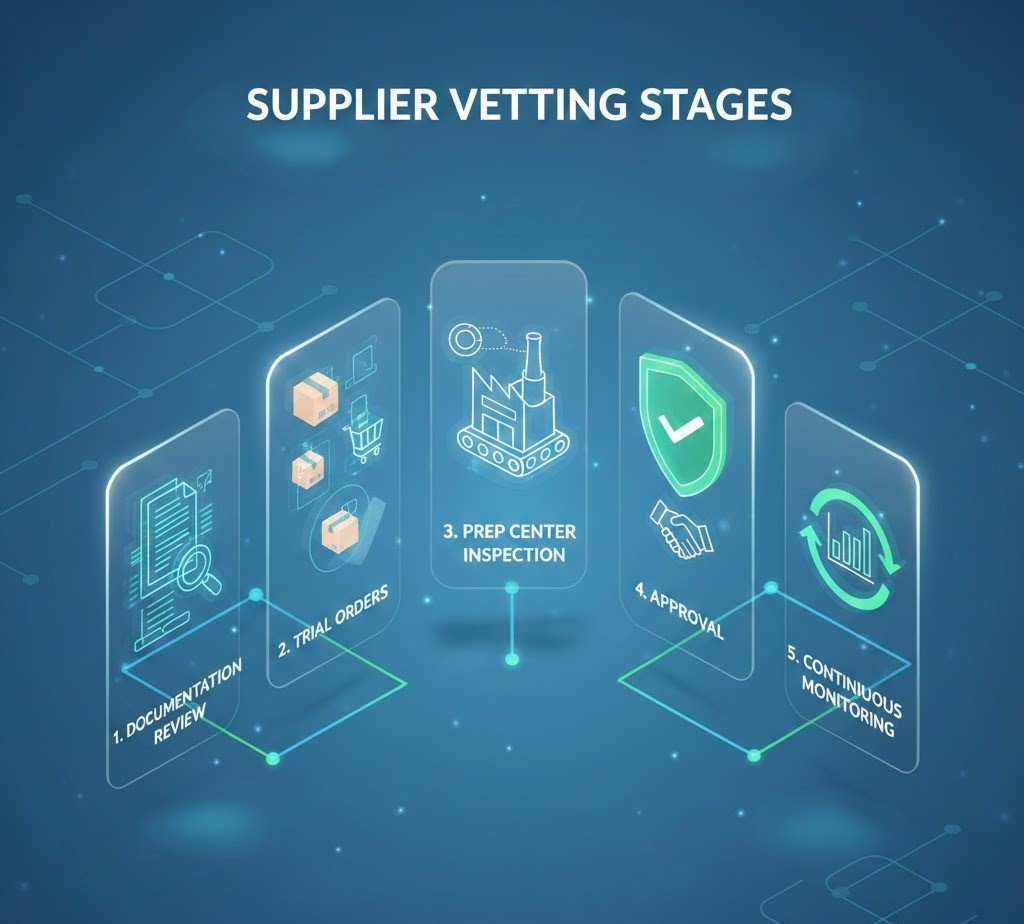
Before approval, we:
- Request multiple invoice samples
- Verify business registration details
- Match invoice data against live listings
- Confirm quantities align with order history
If documentation is weak, the supplier is rejected—no matter how good the pricing looks.
Red Flag #2: Overpromising Shipping Speed Without Data
Many suppliers promise “same-day” or “24-hour” shipping, but promises mean nothing without consistency.
Warning signs include:
- Tracking uploaded late
- Labels created but not shipped
- Delays explained after customer complaints
- Inconsistent carrier usage
In Amazon’s system, repeated delivery delays damage:
- Late Shipment Rate
- Order Defect Rate
- Customer trust
How Ecommatic Vet This
We don’t trust claims—we test performance.
Our process includes:
- Controlled trial orders
- Tracking activation timing checks
- Transit-time comparisons
- Prep center intake timestamp verification
Suppliers who can’t meet timelines consistently are removed early, before damage occurs.

Red Flag #3: Poor Packaging and Handling Standards
Customers may never see your supplier, but they feel the impact instantly.
Suppliers who ship with:
- Thin or reused boxes
- No internal protection
- Incorrect labels
- Visible supplier branding
cause:
- Higher return rates
- Negative reviews
- Product damage claims
One bad unboxing experience can undo months of reputation building.
How Ecommatic Vet This
All supplier shipments pass through our prep centers where we:
- Inspect packaging quality
- Check for damage
- Remove supplier branding
- Repackage professionally
Suppliers who repeatedly fail packaging standards are phased out permanently.
Red Flag #4: Unreliable Inventory and Stock Misreporting
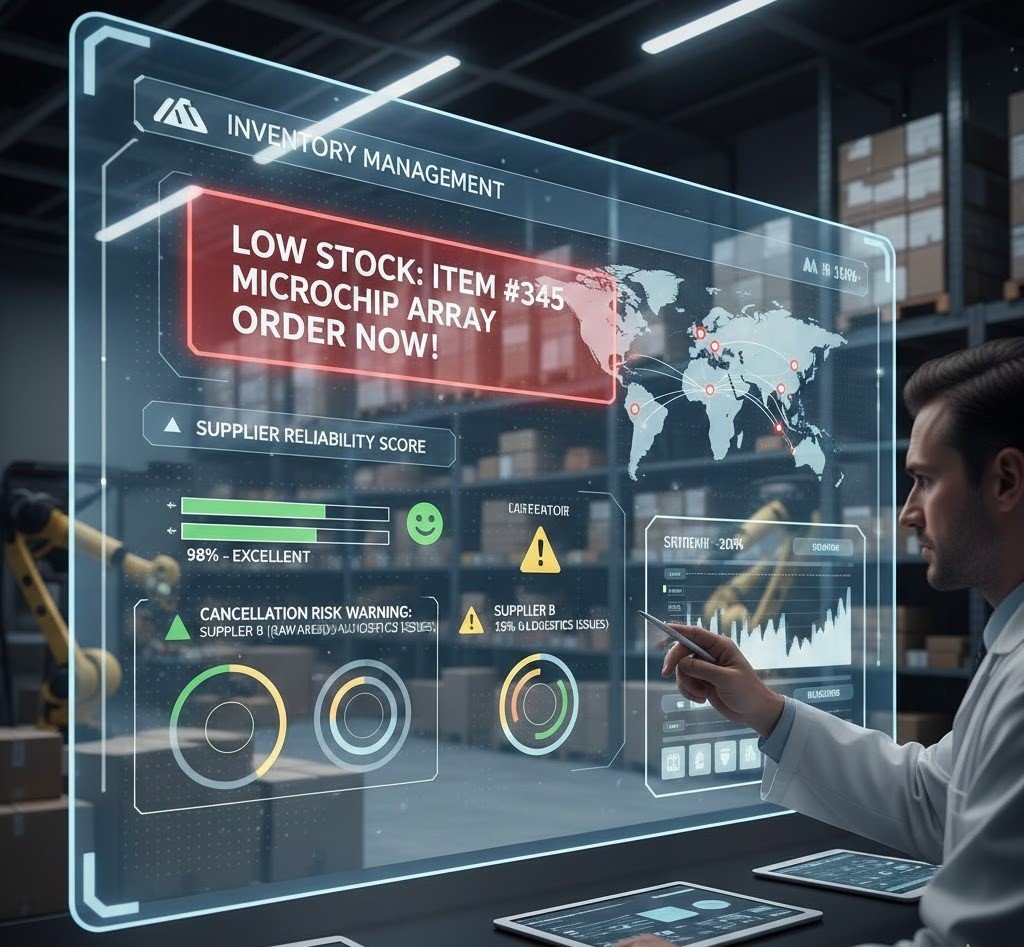
Order cancellations are one of Amazon’s biggest red flags.
Suppliers who:
- Oversell inventory
- Confirm stock manually
- Update availability late
cause:
- Order cancellations
- Customer dissatisfaction
- Account Health warnings
Amazon doesn’t tolerate repeated cancellations, regardless of the reason.
How Ecommatic Vet This
We track:
- Fulfillment success rates
- Stock-related delays
- Cancellation frequency
Listings tied to unstable suppliers are paused immediately until reliability improves.
Red Flag #5: Invalid or Illogical Tracking Numbers
Tracking misuse is one of the fastest triggers for Amazon investigations.
Danger signs include:
- Reused tracking numbers
- Tracking that updates after delivery
- Carrier mismatches
- Tracking uploaded before shipment
Amazon’s systems flag patterns long before sellers notice problems.
How Ecommatic Vet This
We enforce a full chain-of-custody system:
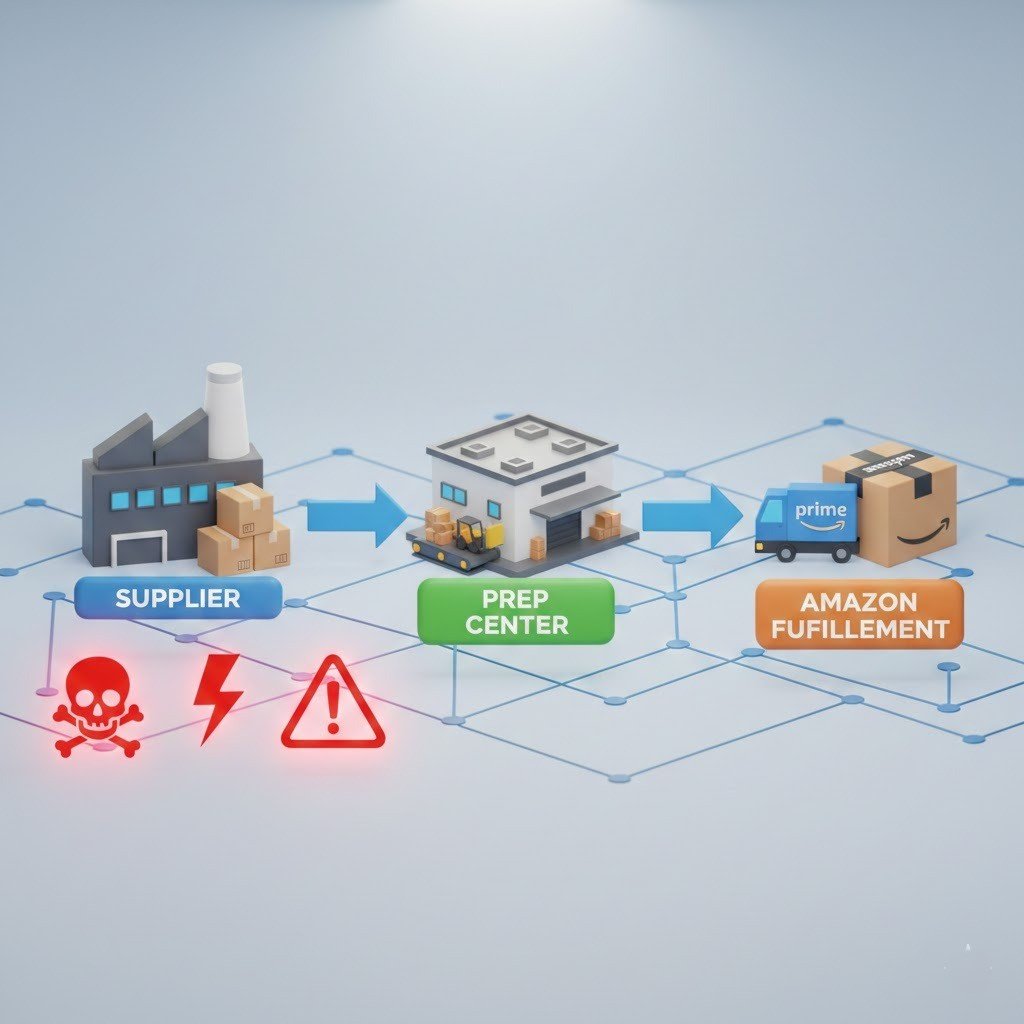
- Supplier → Prep Center tracking
- Prep Center → Amazon or customer tracking
- Carrier verification
- Timestamp consistency
If tracking doesn’t logically align, the order does not proceed.
Red Flag #6: Defensive or Non-Transparent Communication
Reliable suppliers welcome accountability. Problem suppliers avoid it.
Red flags include:
- Delayed responses
- Vague explanations
- Resistance to audits
- Reluctance to share documentation
These behaviors usually indicate deeper operational issues.
How Ecommatic Vet This
We work only with suppliers who:
- Communicate clearly
- Accept performance reviews
- Follow structured SOPs
- Understand Amazon’s compliance expectations
Transparency isn’t optional—it’s required.
Red Flag #7: Inflexibility Toward Amazon Policy Changes
Amazon policies change frequently. Suppliers unwilling to adapt become long-term liabilities.
Risky suppliers refuse to:
- Update labeling
- Adjust packaging
- Improve documentation
How Ecommatic Vet This
We prioritize suppliers who:
- Adapt quickly
- Follow updated requirements
- Treat compliance as a shared responsibility
Rigid suppliers don’t survive in Amazon’s ecosystem.
Continuous Monitoring: Vetting Never Stops
Supplier approval is not permanent.
Ecommatic continuously monitors:
- Delivery performance
- Tracking accuracy
- Return and complaint trends
- Account Health impact
Suppliers are:
- Re-evaluated regularly
- Paused when performance drops
- Replaced before damage escalates
This proactive approach prevents silent risks from turning into account-level crises.
Continuous Monitoring: Vetting Never Stops
Supplier approval is not permanent.
Ecommatic continuously monitors:
- Delivery performance
- Tracking accuracy
- Return and complaint trends
- Account Health impact
Suppliers are:
- Re-evaluated regularly
- Paused when performance drops
- Replaced before damage escalates
This proactive approach prevents silent risks from turning into account-level crises.
Final Thoughts: Strong Suppliers Are a Strategic Advantage
In 2-step dropshipping, suppliers either:
- Strengthen your business
or - Slowly destroy it
At Ecommatic, we believe:
- Every supplier must earn trust
- Every shipment must be verifiable
- Every process must protect the seller first
If your goal is to build a stable, scalable, and profitable dropshipping business in the USA, supplier vetting isn’t optional—it’s foundational.
And at Ecommatic, it’s handled with discipline, experience, and accountability.