

Choosing the right marketplace can make or break a dropshipping business. Amazon has long been the go-to platform for online sellers, while Walmart’s growing online presence is attracting attention from sellers seeking lower competition and higher margins. But which platform truly offers the best opportunity for dropship sellers in 2026?
At Ecommatic, we’ve helped numerous clients scale their operations on both platforms, leveraging 2-Step Dropshipping, FBA, and FBM models. In this guide, we break down key factors every dropshipper should consider and share insights on which platform is better depending on your goals, products, and strategy.
1. Marketplace Reach and Customer Base
Amazon:
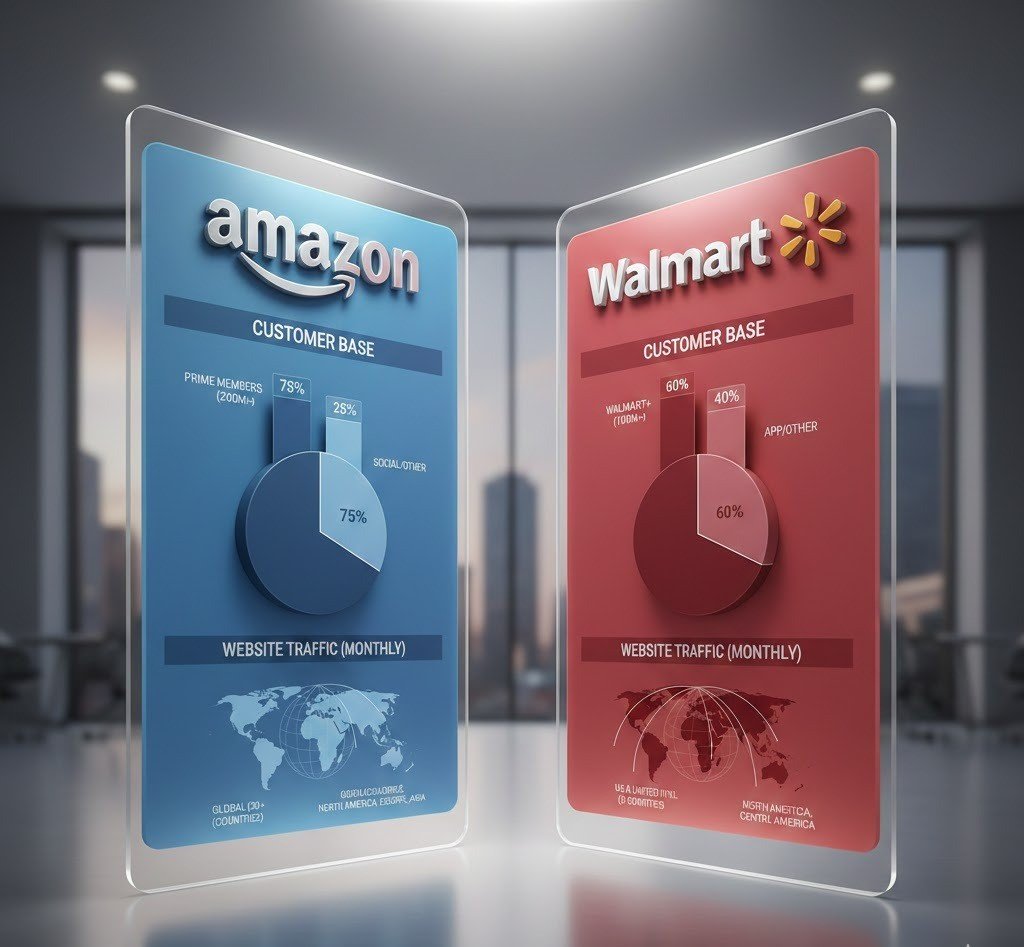
Amazon dominates the e-commerce landscape with over 300 million active customers in the U.S. Their trust, extensive Prime network, and customer loyalty make Amazon ideal for high-volume dropshipping. Customers expect fast delivery, accurate listings, and responsive support.
Walmart:
Walmart’s online marketplace is growing rapidly. With over 100 million monthly online visitors, it offers less competition compared to Amazon. Many sellers find Walmart buyers are looking for value and practical products, making it easier for niche or new sellers to stand out.
2. Competition and Market Saturation
Amazon:
High volume means high opportunity but also fierce competition. Many categories are oversaturated, requiring sellers to optimize listings, pricing, and reviews aggressively.
Walmart:
Lower competition allows sellers to enter categories more easily. Newer sellers often find Walmart’s platform easier to rank for search terms and gain visibility without heavy ad spend.

3. Fulfillment and Shipping Options
Amazon:
Amazon offers FBA (Fulfilled by Amazon) and FBM (Fulfilled by Merchant). FBA allows faster shipping and Prime eligibility but comes with fees. FBM is more flexible but requires reliable fulfillment systems.
Walmart:
Walmart requires sellers to offer fast shipping options. Walmart Fulfillment Services (WFS) helps with speed and storage but is not as widespread as FBA. Dropshippers often handle fulfillment directly with suppliers, so reliable shipping partners are critical.

4. Fees, Margins, and Profitability
Amazon:
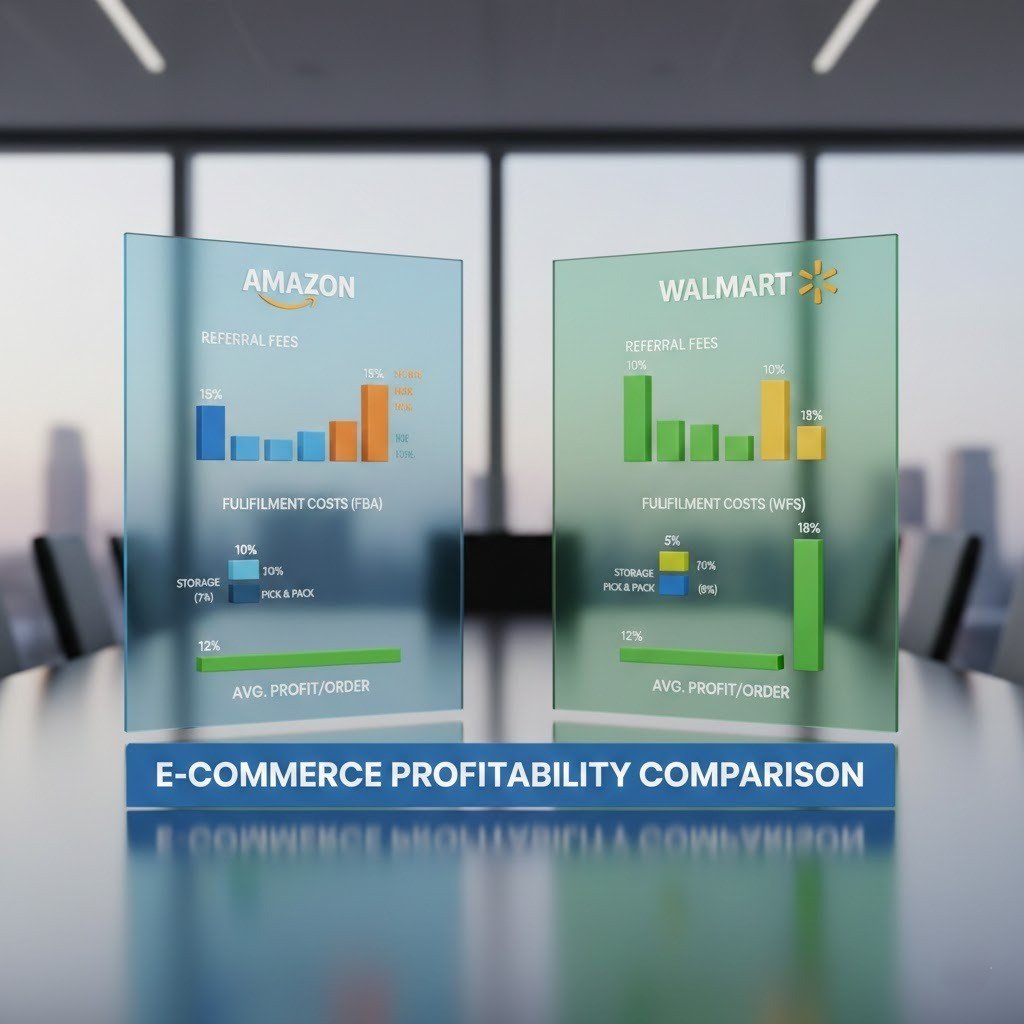
Amazon’s fees can reduce margins significantly. Referral fees, FBA fees, and variable closing fees must all be accounted for. High-volume sellers must manage pricing carefully to maintain profitability.
Walmart:
Walmart charges lower referral fees (6–20% depending on category). Sellers often enjoy higher profit margins but may need to spend on shipping and marketing to maintain visibility.
Story Insight:
Many dropshippers start on Walmart to maximize margin, then expand to Amazon for higher volume once processes are streamlined.
5. Seller Support and Policy Strictness
Amazon:
Amazon is strict with account health metrics. Cancellation rates, late shipments, and negative feedback directly impact account status. Sellers must maintain compliance and respond quickly to A-to-Z claims.
Walmart:
Walmart has stricter onboarding but slightly more lenient day-to-day account management. Policies are clear, but suspension risk is lower for first-time sellers if guidelines are followed.
6. Advertising and Traffic Generation
Amazon:
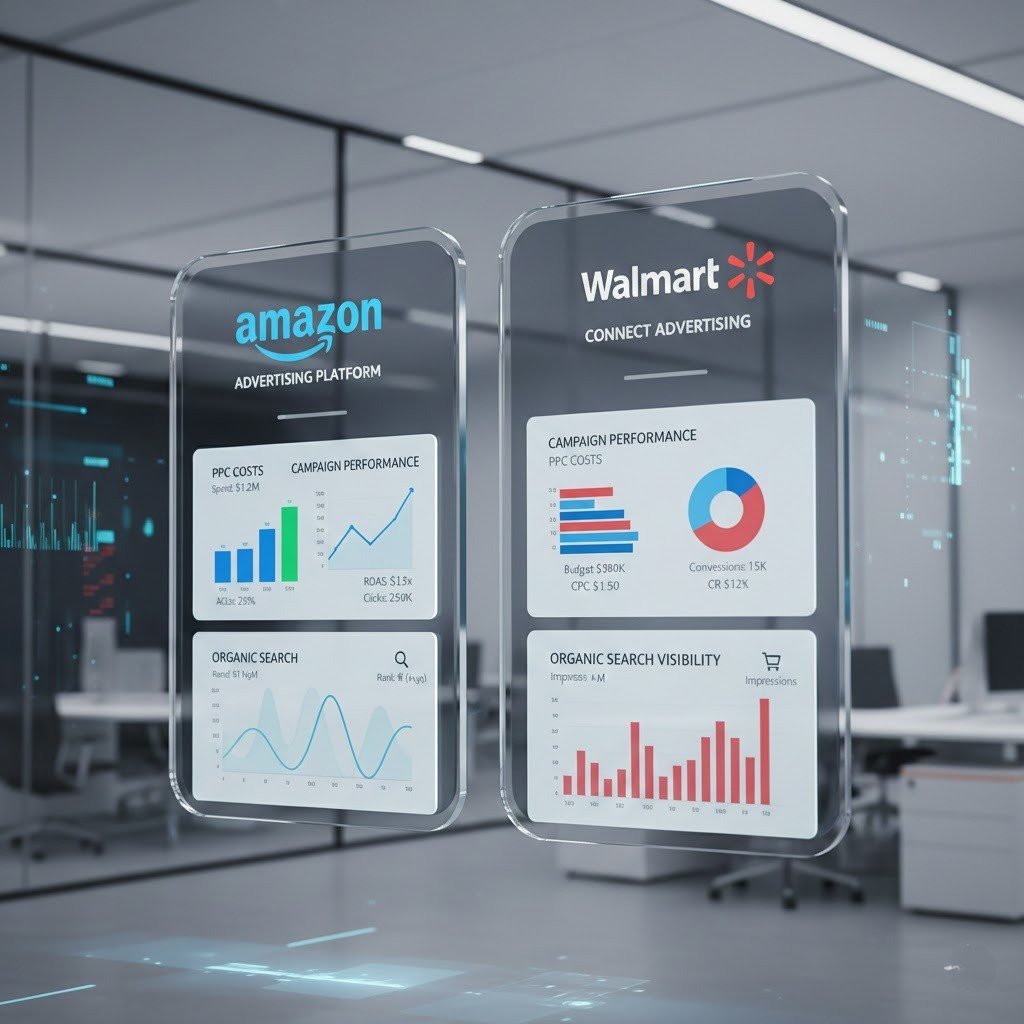
Amazon PPC is almost essential for visibility. Sponsored products, brand ads, and external marketing drive traffic but can be costly.
Walmart:
Walmart Sponsored Products are newer and less competitive, making ads more affordable. Organic traffic is easier to gain due to lower competition in most categories.
7. Customer Behavior and Expectations
Amazon:
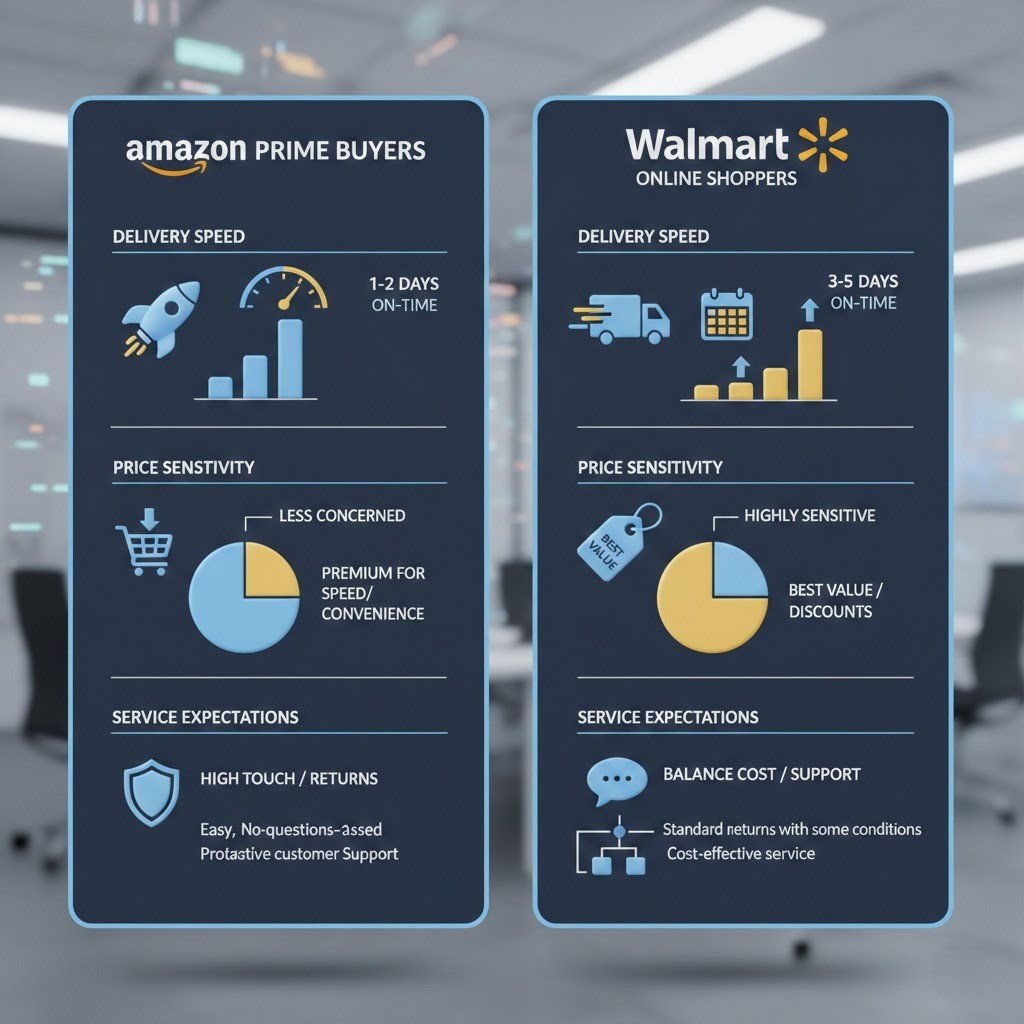
Customers are accustomed to fast delivery, 24/7 support, and consistent experience. They expect immediate tracking updates and quick resolution of issues.
Walmart:
Customers often prioritize price and reliability over speed. They are forgiving if shipping takes slightly longer, making Walmart suitable for sellers with suppliers that aren’t FBA-level fast.
Which Platform Should Dropship Sellers Choose?
There is no one-size-fits-all answer:
- Amazon is ideal for high-volume sellers, competitive niches, and those ready to invest in fulfillment systems, ads, and reviews. It offers unmatched reach but demands operational excellence.
- Walmart is ideal for new sellers, niche categories, and those seeking higher margins with lower competition. It allows dropshippers to scale carefully without immediate high overhead.
Hybrid Strategy Insight: Many successful dropship sellers start on Walmart to maximize margins, test products, and refine operations, then expand to Amazon to access a massive audience and Prime benefits.
At Ecommatic, we help sellers navigate both marketplaces, optimizing workflows, supplier selection, pricing, and order management to scale sustainably.