
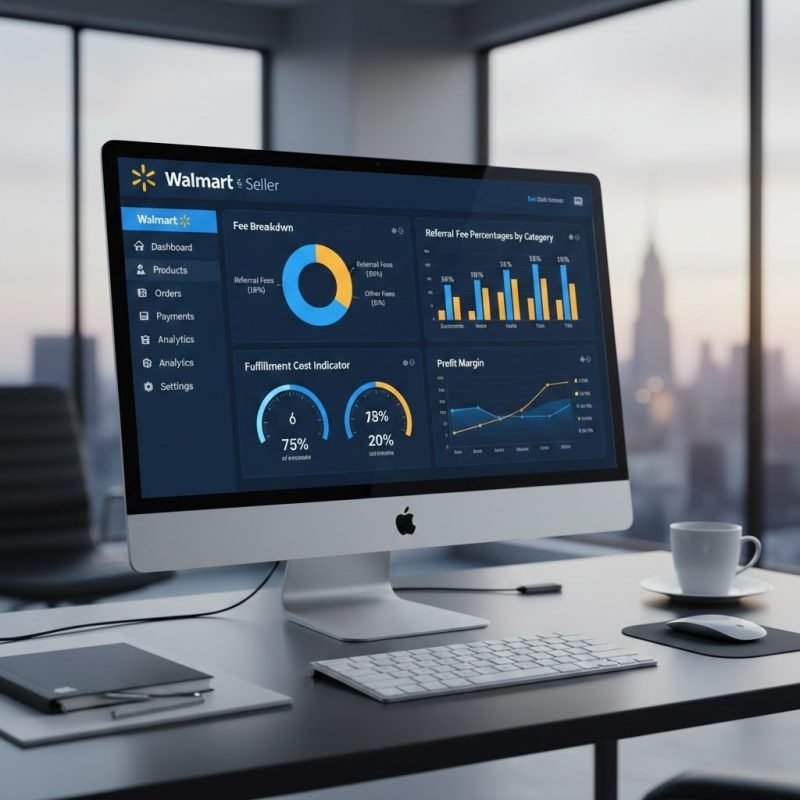
Selling on Walmart Marketplace looks attractive on the surface—no monthly subscription fees, massive traffic, and strong buyer trust. But profitability on Walmart doesn’t come from assumptions. It comes from understanding every cost involved before you scale.
Many sellers struggle on Walmart not because of low sales, but because they underestimate fees, fulfillment expenses, pricing pressure, and operational costs that quietly eat into margins.
At Ecommatic, we manage Walmart Marketplace operations with the same discipline we apply to Amazon. In this guide, we break down every cost you need to account for, explain how fees actually work, and show how sellers can plan pricing and margins intelligently.
Understanding How Walmart Marketplace Charges Sellers
Unlike some platforms, Walmart does not charge a flat monthly seller fee. Instead, it operates on a commission-based model, where sellers pay fees only when a product sells.
This structure makes Walmart appealing for new sellers, but it also means your pricing strategy must be precise, because fees vary by category and fulfillment method.
Before listing products, it’s critical to understand how Walmart’s fee structure affects your bottom line.
Walmart Referral Fees: The Core Marketplace Cost
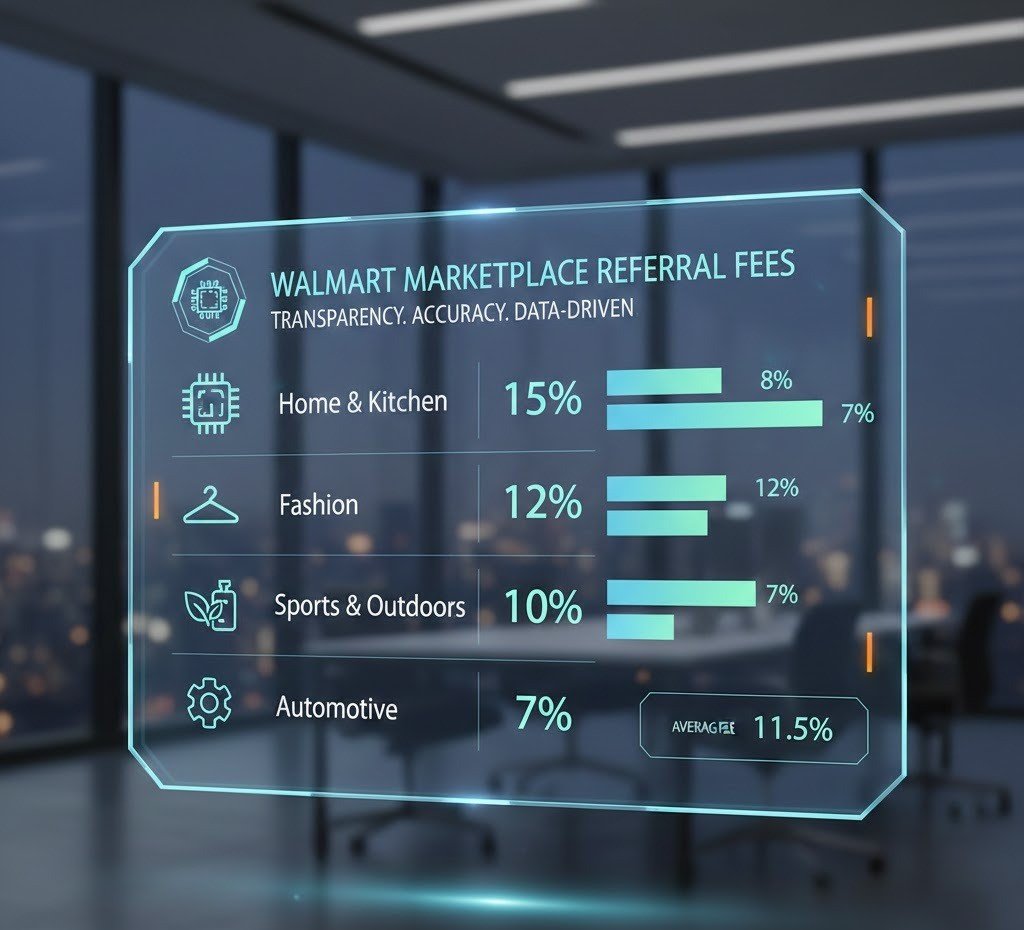
The primary fee Walmart charges sellers is the referral fee. This is a percentage of the product’s selling price and varies by product category.
Referral fees generally range between 6% to 20%, depending on what you sell. Categories like electronics, home goods, and apparel each fall into different fee brackets.
What many sellers overlook is that the referral fee is calculated on the item price, not including taxes—but it still represents a significant portion of your margin.
Fulfillment Costs: Seller-Fulfilled vs Walmart Fulfillment Services (WFS)
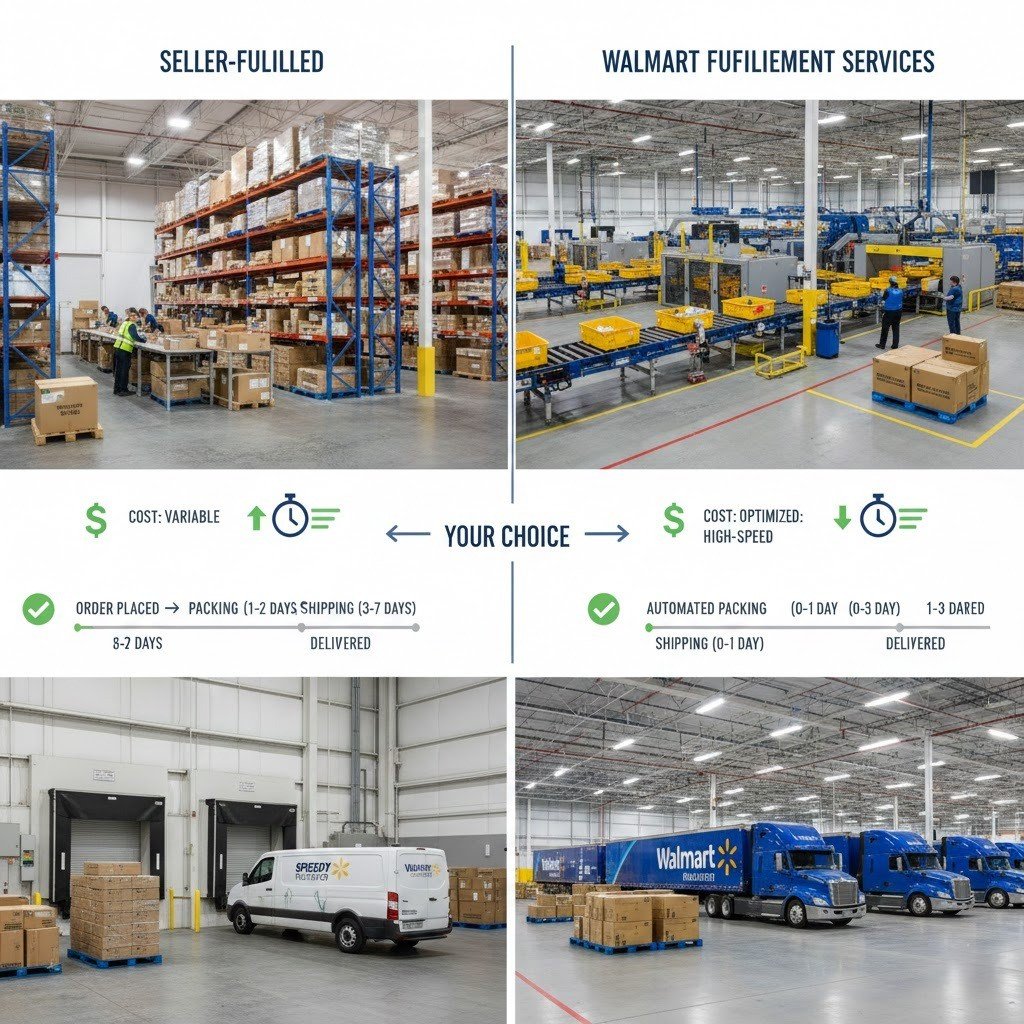
Walmart allows sellers to choose how orders are fulfilled, and this choice directly impacts costs.
Seller-Fulfilled Orders
When sellers fulfill orders themselves (or through suppliers), costs include:
- Supplier product cost
- Shipping charges
- Packaging materials
- Labor or virtual assistant handling
- Returns processing
While seller-fulfilled orders may seem cheaper upfront, poor delivery performance can affect listing visibility and customer trust.
Walmart Fulfillment Services (WFS)
WFS works similarly to Amazon FBA. Sellers send inventory to Walmart fulfillment centers, and Walmart handles storage, packing, shipping, and customer service.
WFS fees include:
- Fulfillment fee per unit
- Monthly storage fees
- Long-term storage considerations
WFS improves delivery speed and Buy Box visibility but requires accurate inventory planning.
Storage Fees and Inventory Holding Costs
If you use Walmart Fulfillment Services, storage fees become a recurring cost.
Storage is typically charged monthly based on the space your inventory occupies. Products that sit too long can increase costs and reduce overall profitability.
Smart sellers manage inventory turnover carefully to avoid paying for slow-moving stock.
At Ecommatic, we help sellers align inventory levels with demand forecasts to keep storage costs under control.
Returns, Refunds, and Reverse Logistics Costs
Returns are a hidden cost many sellers underestimate.
Walmart is customer-friendly, which means sellers often absorb:
- Return shipping costs
- Product inspection and restocking
- Refund processing
- Unsellable inventory losses
Depending on the product category, return rates can significantly affect margins if not accounted for during pricing.
Pricing Pressure and Competitive Cost Adjustments
Walmart strongly emphasizes competitive pricing. Sellers often need to adjust prices to remain Buy Box eligible.
This creates indirect costs such as:
- Reduced margins due to price competition
- Frequent repricing adjustments
- Loss of Buy Box if pricing is uncompetitive
Without a margin-protected pricing strategy, sellers may generate sales but lose profitability.
Payment Processing and Payout Timing
Walmart pays sellers on a bi-weekly payout schedule. While Walmart does not charge a separate payment processing fee like some platforms, cash flow timing is still an operational consideration.
Sellers must manage supplier payments, fulfillment costs, and refunds before payouts are received.
This gap can impact scaling if cash flow planning is weak.
Operational Costs Most Sellers Forget to Include
Beyond platform fees, real operational costs include:
- Virtual assistant services
- Product research tools
- Inventory management systems
- Repricing software
- Customer support handling
- Compliance and performance monitoring
These costs don’t appear on Walmart invoices, but they directly affect net profit.

Why Understanding Walmart Fees Matters Before Scaling
Many sellers rush into Walmart Marketplace because it looks cheaper than Amazon. But profitability depends on accurate cost modeling, not assumptions.
At scale, even a small miscalculation in fees, fulfillment, or returns can turn a profitable store into a break-even operation.
That’s why experienced sellers analyze costs first—then build pricing strategies around real numbers.
How Ecommatic Helps Sellers Control Walmart Marketplace Costs
At Ecommatic, we don’t just list products—we help sellers:
- Understand true cost structures
- Choose the right fulfillment model
- Protect margins through pricing strategies
- Manage returns efficiently
- Scale without cash flow stress
Whether you’re launching on Walmart Marketplace or expanding an existing store, fee awareness is the foundation of profitability.
Final Thoughts: Fees Are Manageable When You Plan Correctly
Walmart Marketplace fees are not excessive—but they are unforgiving if ignored.
Sellers who succeed on Walmart are not the ones with the cheapest products. They’re the ones who understand every cost, plan margins intelligently, and operate with discipline.
With the right strategy and operational support, Walmart Marketplace can become a powerful and profitable sales channel.
And at Ecommatic, that’s exactly what we help sellers build.