
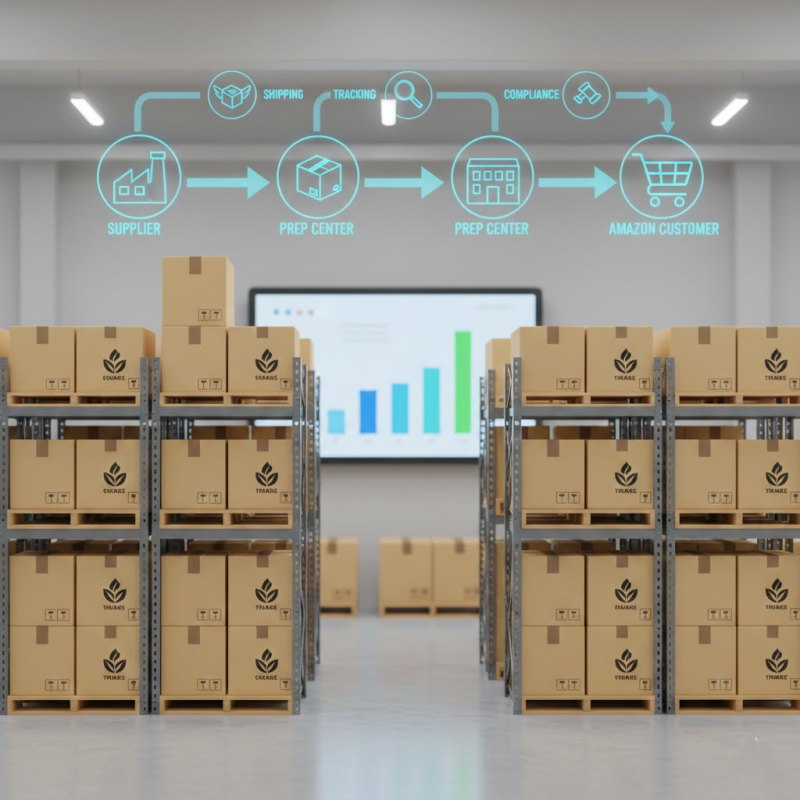
Dropshipping is one of the most attractive business models for beginners—no inventory, no warehouse cost, no handling bulk shipments. But when the conversation shifts to Amazon, the rules become more sophisticated. Amazon demands structure, transparency, and absolute accountability from every seller.
Yes, Amazon does allow dropshipping, but only when done under strict compliance. Many sellers unknowingly violate rules because they treat Amazon like Shopify or general eCommerce. That misunderstanding results in suspensions, warnings, and account shutdowns.
This article breaks down the reality of Amazon dropshipping in 2026, based on practical experience and the operational systems we design at Ecommatic for clients worldwide.
You’ll find:
- The exact rules Amazon enforces
- What’s allowed and what’s strictly banned
- Why accounts get suspended
- How to dropship safely and compliantly
- Best practices for long-term stability
Let’s clear out the confusion once and for all.
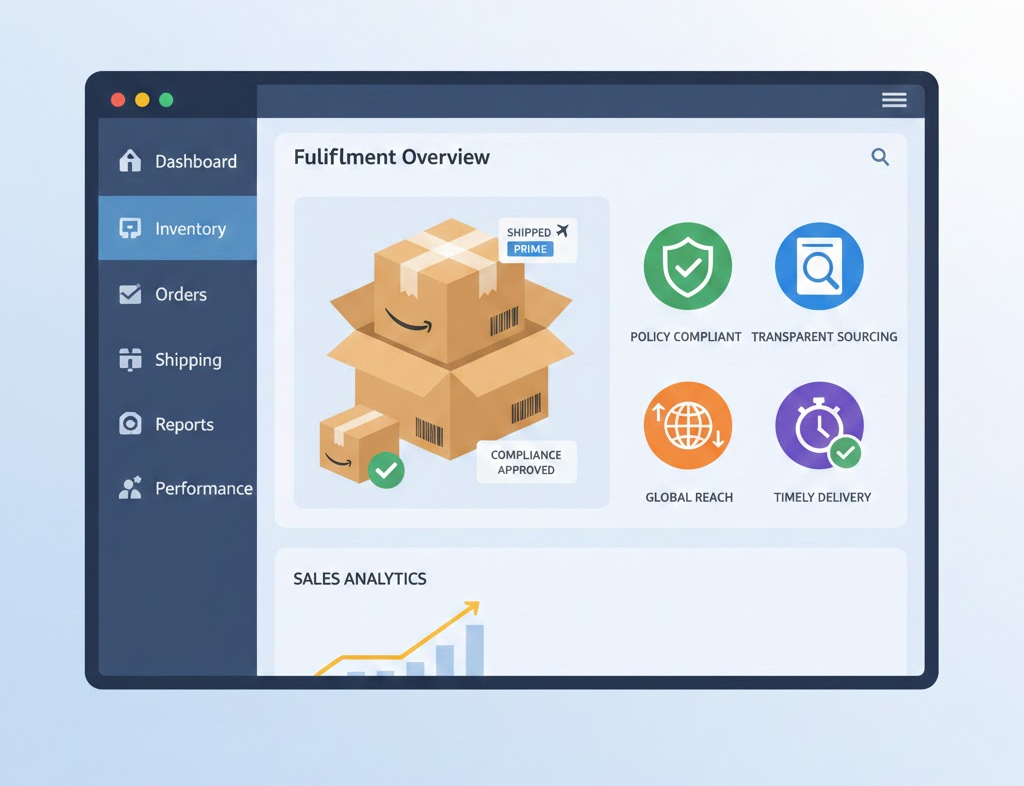
Is Dropshipping Allowed on Amazon?
✔️ Yes — Amazon allows dropshipping with strict compliance.
Amazon does not ban dropshipping as a concept.
What they ban is retail-based fulfillment, where another retailer’s identity becomes visible to the customer.
Amazon allows dropshipping when:
- You work with wholesale suppliers, distributors, or manufacturers
- The shipment carries your business name, not the supplier’s
- You manage returns, refunds, and customer communication
- The customer sees you as the seller of record
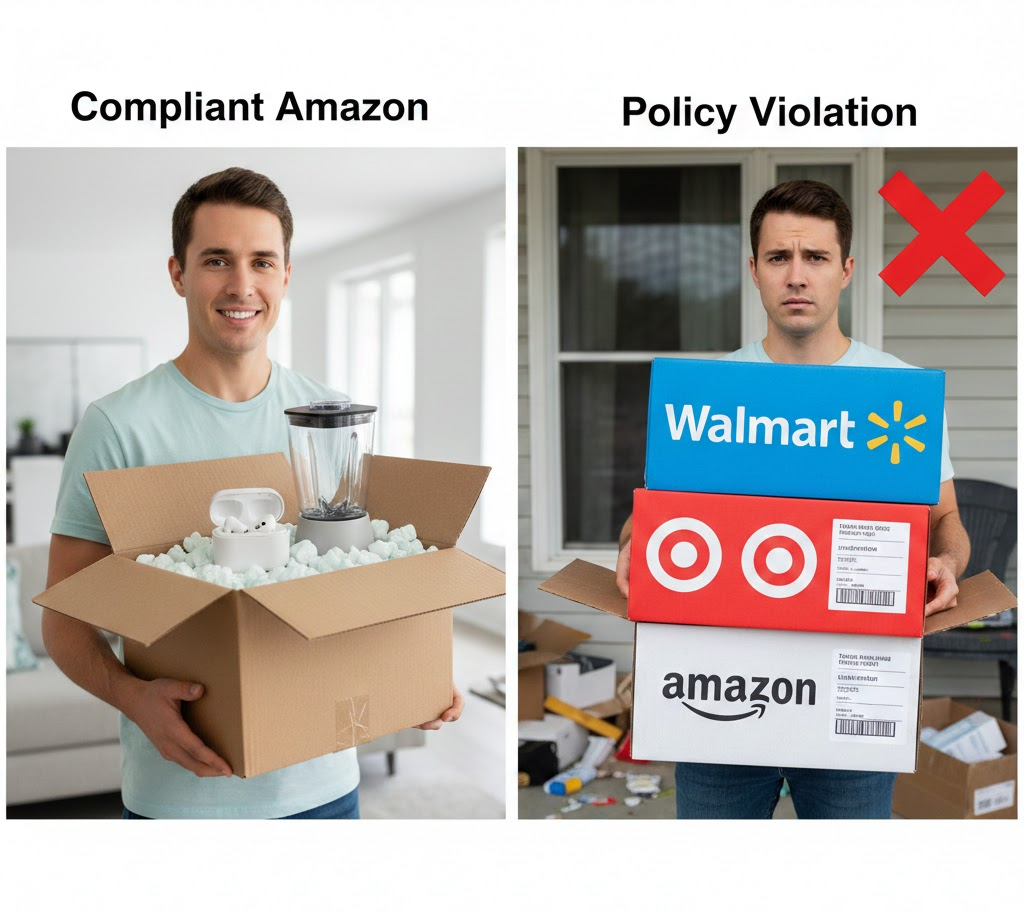
Amazon does NOT allow dropshipping when:
- Orders ship from retailers like Walmart, Home Depot, AliExpress, Target, etc.
- Packages contain the supplier’s logo, invoice, or receipt
- Another company contacts the customer
- The customer receives anything that hints someone else is fulfilling the order
Violating the rules triggers:
- Policy warnings
- Account flags
- Order defect rate increases
- Full account suspension
Amazon protects customer experience at all costs.
If your operation threatens that experience—even unintentionally—Amazon reacts instantly.
Breaking Down Amazon’s Dropshipping Policy in Simple Terms
Amazon’s policy is firm, but it’s not complicated.
Here’s the version sellers rarely understand correctly.
1. You Must Be the Seller of Record
Your name — not your supplier’s — must appear on:
- Packing slips
- Shipping labels
- Invoices
- Return instructions
- Any customer-facing document
If a supplier’s identity appears anywhere, Amazon interprets it as an unauthorized fulfillment relationship.
2. You Must Handle Returns Yourself
Returns cannot be routed to:
- Supplier warehouses
- Retail stores
- Third-party addresses not owned or controlled by you
Amazon expects YOU to handle:
- Refunds
- Exchanges
- Customer follow-up
- Product evaluation
It’s about accountability.
If returns go somewhere else, Amazon sees it as losing control over the customer journey.
3. You Cannot Dropship from Retail Stores
This is the rule that catches most beginners.
Amazon strictly prohibits ordering from:
- Walmart
- Costco
- Target
- AliExpress
- Home Depot
- eBay
- Sam’s Club
- Any retail or marketplace platform
Retail packaging exposes your business instantly.
Customers complain → Amazon investigates → Suspension follows.
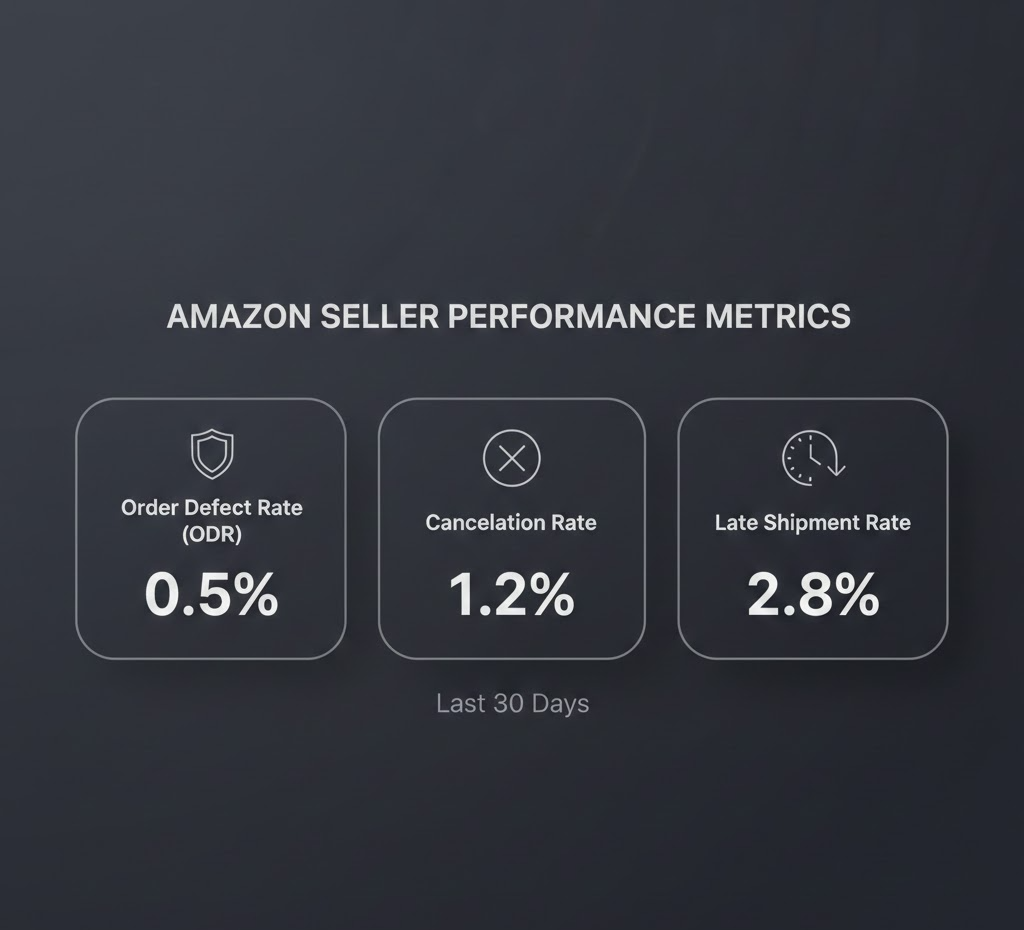
4. You Must Meet Amazon’s Performance Metrics
Amazon holds sellers to some of the tightest performance standards in eCommerce:
- Order Defect Rate (ODR) under 1%
- Pre-fulfillment cancellation rate under 2.5%
- Late shipment rate under 4%
- Valid tracking above 95%
Even if your supplier fails…
Amazon will still hold you responsible.
That’s why unreliable suppliers can silently destroy your account.
Best Practices to Dropship Safely on Amazon in 2026
To build a stable, long-term business on Amazon, compliance must be part of your foundation—not an afterthought.
These are the same practices we implement at Ecommatic for safe, scalable operations.
1. Use Wholesale, Manufacturer, or Authorized Suppliers Only
The safest suppliers are:
- Wholesalers
- Distributors
- Brand partners
- Private label manufacturers
Why this matters:
- Clean invoices
- Faster processing
- Neutral packaging
- Consistent inventory
- Approval-friendly documentation
Wholesale suppliers align with Amazon’s expectations.
2. Ensure All Packaging Reflects Your Brand
Before you work with a supplier, confirm they can provide:
- Blind shipping
- Your name on the packing slip
- Clean, unbranded boxes
- Custom return labels
This protects your business identity and prevents customer confusion.
3. Maintain Multiple Suppliers for Stability
A single supplier can ruin your business if they:
- Run out of stock
- Delay processing
- Raise prices unexpectedly
- Lose shipments
Serious Amazon sellers always keep:
- A primary supplier
- A backup supplier
- A backup warehouse or prep center
Redundancy keeps your metrics safe.
4. Automate Your Inventory and Order Workflow
Manual order management is risky and time-consuming.
Automation tools help prevent:
- Overselling
- Late shipments
- Price mismatches
- Tracking errors
Automation ensures smooth fulfillment even as your business grows.
Why Amazon Suspends Sellers for Dropshipping
Most dropshipping suspensions come from simple, avoidable mistakes.
Here are the most common triggers:
• Retail packaging reaching customers
This is the fastest way to get flagged.
• Invoices that don’t pass verification
Retail receipts never pass Amazon’s checks.
• Supplier delays affecting metrics
Amazon does not care who caused the delay — the seller takes the penalty.
• Fake or unrecognized tracking numbers
Amazon-approved carriers must be used consistently.
• Complaints about unexpected sender information
Customers notice everything — even the smallest branding inconsistencies.
Amazon investigates every complaint seriously and quickly.
Is Amazon Dropshipping Worth Starting in 2026?
Yes — but only with a compliant structure.
Amazon dropshipping continues to be profitable, but the sellers who succeed in 2026 are the ones who:
- Follow every policy
- Use proper suppliers
- Maintain strong operations
- Leverage automation
- Work with experienced virtual assistants
At Ecommatic, we help sellers build fully compliant systems, optimize their workflows, and scale sustainably without risking their accounts.
Conclusion
Amazon absolutely allows dropshipping, but it must be done the right way.
Compliance is not optional — it’s the foundation of a long-term, profitable Amazon business.
By using wholesale suppliers, controlling your packaging, maintaining your returns process, and protecting your performance metrics, you can build a safe operation that grows year after year.
If you need support with compliant Amazon operations, scaling strategies, or full account management, Ecommatic is here to help you build a dropshipping business that lasts.