
Dropshipping on Amazon continues to attract thousands of new sellers each year—but only a small percentage truly understand how the business works. From product research to supplier selection, pricing, margins, and fulfillment, every step affects your success.
The truth is simple:
Amazon dropshipping can be highly profitable, but only when you fully understand the business model and follow platform rules without shortcuts.
This guide breaks the entire process down in a human-friendly, business-focused way so you can clearly understand what you’re getting into and what numbers truly look like in 2026.
And remember—everything from pricing to margins depends heavily on the dropshipping module you choose and your overall budget, so consider this a practical foundation, not a one-size-fits-all promise.
What Amazon Dropshipping Actually Is (In Real-World Terms)
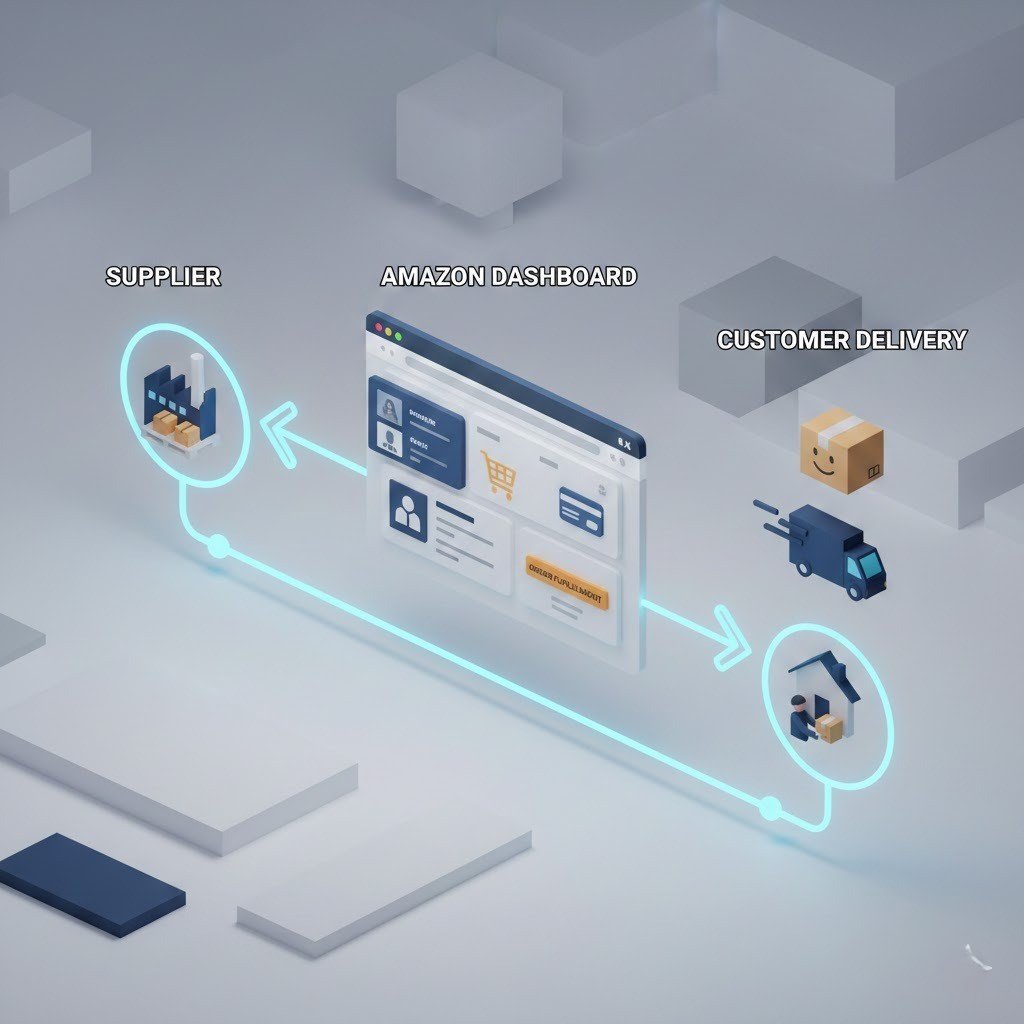
Amazon dropshipping is a fulfillment model where you sell products on Amazon without keeping them in your physical inventory. Instead, once a customer places an order, your supplier ships the product directly to the buyer.
But Amazon is not lenient about how you do this.
They do allow dropshipping—but they enforce strict rules:
- You must be the seller of record
- Ship in neutral packaging
- No supplier branding
- Handle all customer support yourself
- Use suppliers that can meet Amazon’s speed and accuracy requirements
In short: Amazon allows dropshipping, but only the professional, compliant version of it—not the loophole version many beginners think they can get away with.
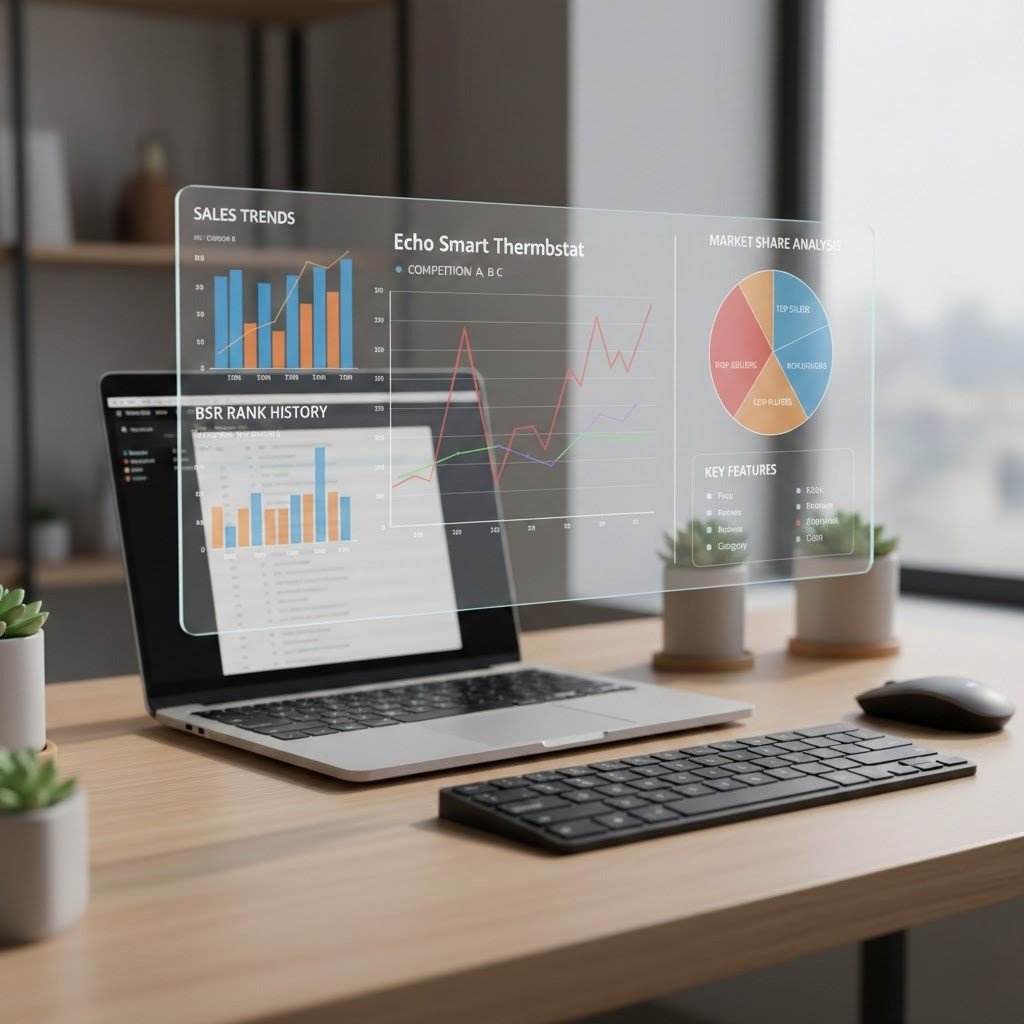
Product Research: Where Successful Dropshipping Truly Begins
If dropshipping were a house, product research would be the foundation. One weak decision here affects your margins, returns, customer satisfaction—and even your account health.
What Makes a Winning Product?
a) Consistent Demand
A product should have stable monthly sales, not random spikes caused by trends.
b) Manageable Competition
Competing with:
- Amazon itself
- Amazon Basics
- Sellers with 20,000+ reviews
…is not realistic for most new sellers.
c) Good Profit Potential
Even with all fees included, a product should have:
- 25–35% gross margin before ads
- 10–25% net margin after all costs (depending on model)
d) Low Return Risk
Electronics, glass, fashion sizing, and fragile items always carry higher return rates.
Low-return categories = more stable stores.
Supplier Selection: The Heart of Amazon Dropshipping
Your supplier is your business partner—even if you never meet them.
A good supplier:
- Ships fast
- Packs clean
- Provides correct tracking
- Maintains inventory
- Offers fair pricing
A bad supplier:
- Causes delays
- Ships branded boxes
- Gives wrong tracking
- Issues broken items
- Gets your account suspended
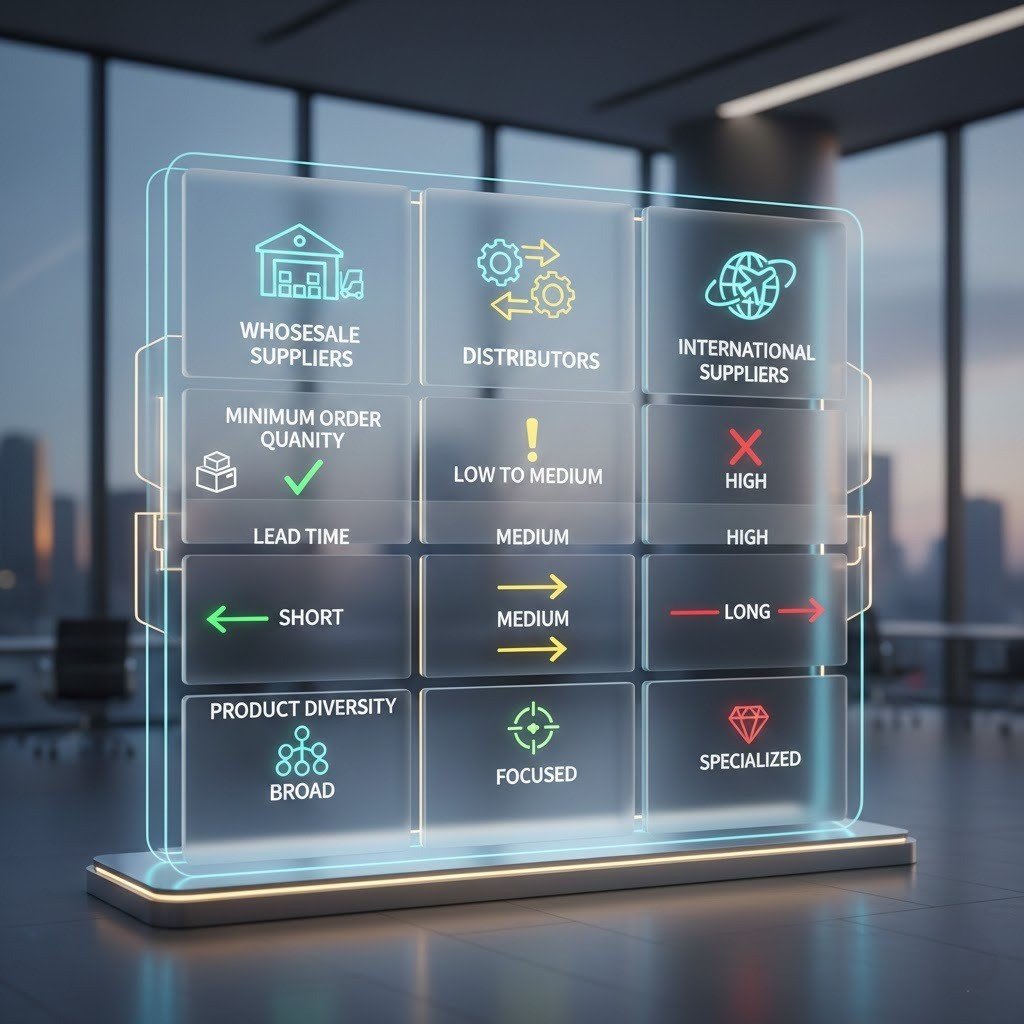
The Only Supplier Types Amazon Allows
- Wholesale suppliers
- Authorized distributors
- Professional international suppliers that use neutral packaging
❌ Amazon Does Not Allow
- Walmart
- Home Depot
- Target
- Costco
- Amazon
- eBay
- AliExpress (most cases)
Retail stores → retail packaging → policy violation → account suspension.
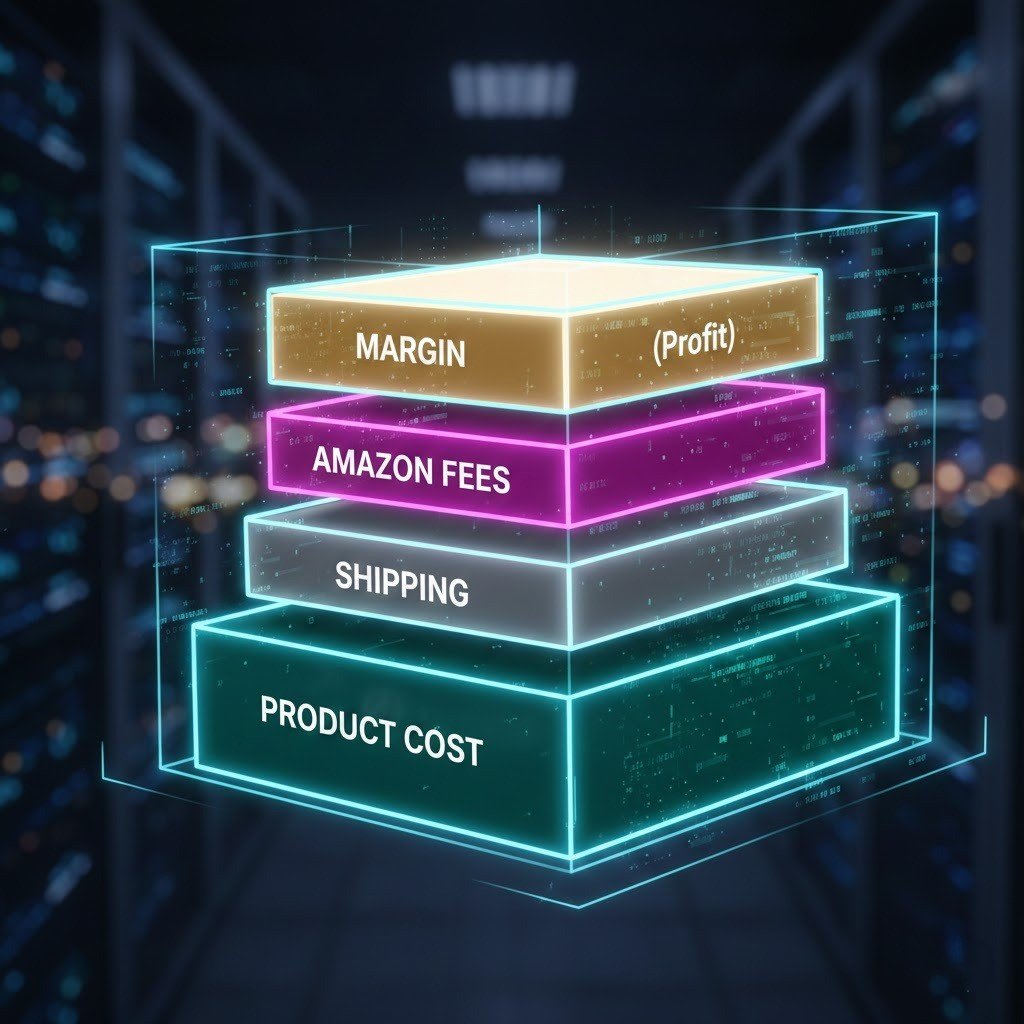
Pricing Structure: What Dropshipping Actually Costs
Let’s break down real numbers sellers use in the USA.
Total Cost = Product Cost + Supplier Shipping + Prep Fees + Amazon Referral Fee + Closing Fee
Selling Price = Total Cost + Profit Margin
Typical Expenses
- Product cost: $3–$20 (sometimes more depending on category)
- Shipping: $2–$15
- Prep center fees (if used): $1–$3
- Amazon referral fee: 8–15%
- Amazon closing fee: depends on the category
Expected Margins in 2026 (Realistic Estimates)
Margins vary by module and supplier quality, but here’s what we see across the industry:
Two-Step Dropshipping Margins
- 10%–18% net
Wholesale Dropshipping Margins
- 18%–30% net
Private Label Dropshipping Margins
- 25%–45% net (highest margin model)
Why Margins Aren’t Fixed
Your budget determines:
- How strong your suppliers are
- How competitive your categories are
- How fast you can fulfill orders
- How stable your account metrics remain
High budgets = high margins
Low budgets = reduced margins
It’s a numbers game.
Fulfillment Workflow: How Orders Move Behind the Scenes
Here’s what actually happens when someone buys from your Amazon store:
1. Customer places an order
Amazon immediately reflects it in Seller Central.
2. You place an order with your supplier
You specify:
- Neutral packaging
- Correct shipping address
- No branding
- Correct label placement
3. Supplier ships the product
They provide a tracking number that is then uploaded to Amazon.
4. Customer receives the item
If issues arise, you (not the supplier) must handle support.
5. You manage returns or refunds
Amazon expects responsibility from the seller—not the supplier.
Hidden Costs Most Sellers Ignore
Many beginners underestimate these:
Refund fees
Amazon keeps a percentage of the referral fee.
Software tools
$50–$200 per month depending on your setup.
Customer support costs
If you hire a virtual assistant (VA).
Order cancellations & returns
Every return affects your profit and your account metrics.
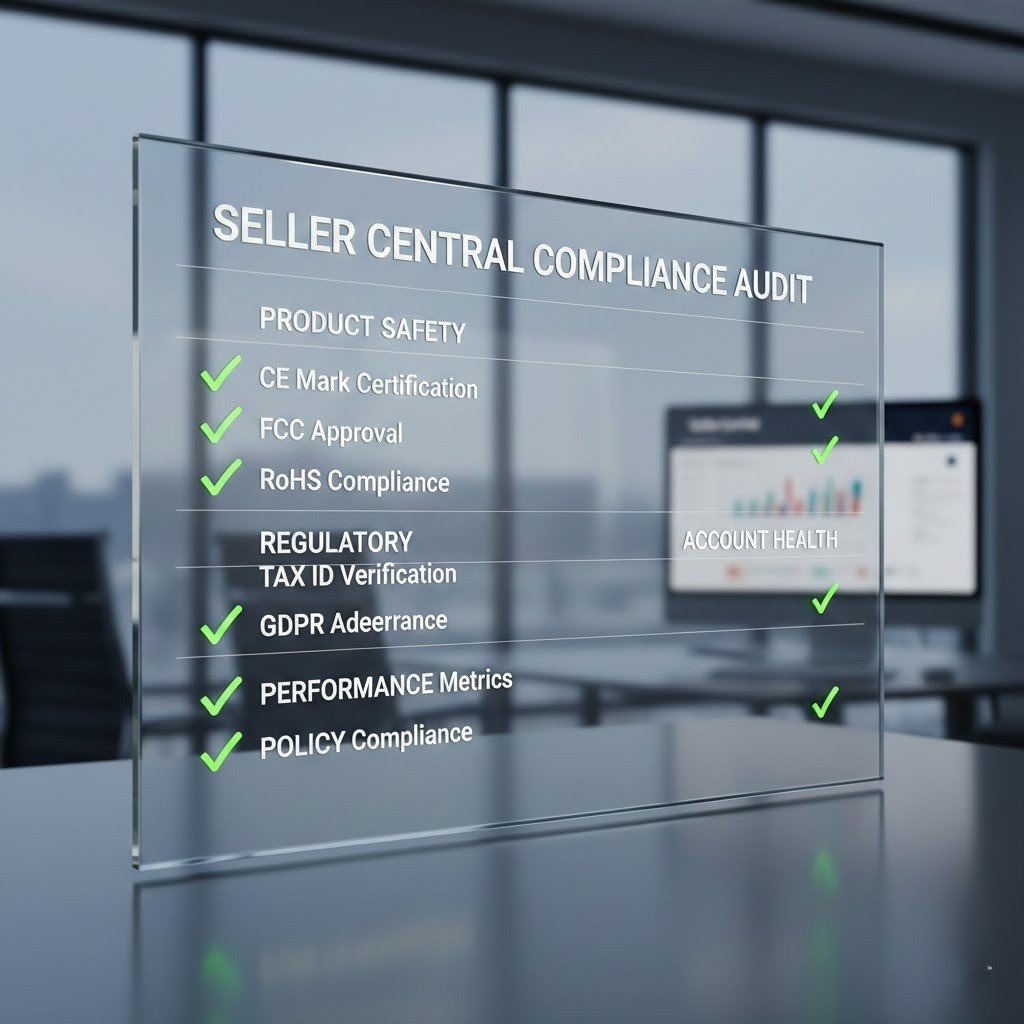
Is Dropshipping Allowed on Amazon in 2026? Yes — But Only If You’re Compliant
Amazon allows dropshipping if you follow their exact rules, which include:
- Using approved suppliers
- Shipping with no branding
- Being the seller of record
- Handling support and returns
- Maintaining metrics below risk levels
Amazon is strict because they want:
- Consistent delivery
- Accurate tracking
- Good customer experience
- Authentic, high-quality products
One slip-up can damage your account health.
Final Words: Dropshipping Works — But Only With the Right Support
Dropshipping on Amazon is a powerful model. It offers flexibility, scalability, and a low barrier to entry—but it also requires precision, compliance, and strategy.
Many Amazon sellers struggle not because the business model is bad, but because they’re:
- Using poor suppliers
- Miscalculating fees
- Violating policies without knowing
- Ignoring account health
- Uploading wrong tracking
- Choosing the wrong niche
- Not having a proper virtual assistant team
This is exactly where Ecommatic steps in.
Our virtual assistant services help you manage the entire dropshipping cycle from A–Z, including:
- Account creation
- Product hunting
- Supplier onboarding
- Pricing strategy
- Order management
- Inventory tracking
- Returns handling
- Customer service
- Account health protection
We work with clients across the USA and understand Amazon’s system inside out.
If you want to start dropshipping the right way—with compliance, stability, and long-term growth—Ecommatic is ready to manage your operations professionally.