

Not all Amazon categories are created equal—especially when it comes to 2-Step Dropshipping.
Many sellers make the mistake of assuming that if a product sells well, it will automatically work for dropshipping. In reality, the category you choose directly affects account health, margins, supplier reliability, return rates, and long-term scalability.
At Ecommatic, we’ve managed multiple Amazon stores operating under 2-Step Dropshipping and hybrid fulfillment models. Over time, clear patterns emerge. Some categories consistently perform well with fewer issues, while others quietly expose sellers to suspensions, losses, and operational chaos.
This article breaks down Amazon categories that work best for 2-Step Dropshipping, based on real operational experience, not theory.
Understanding What Makes a Category “Dropship-Friendly”
Before diving into specific categories, it’s important to understand why certain categories perform better under a 2-Step Dropshipping model.
The best categories typically share these traits:
- Stable demand (not extreme seasonality)
- Moderate competition
- Low return and defect rates
- Non-fragile products
- Fewer brand restrictions
- Simple compliance requirements
- Consistent supplier availability
Categories lacking these traits usually require heavy intervention, higher risk tolerance, or advanced compliance management.
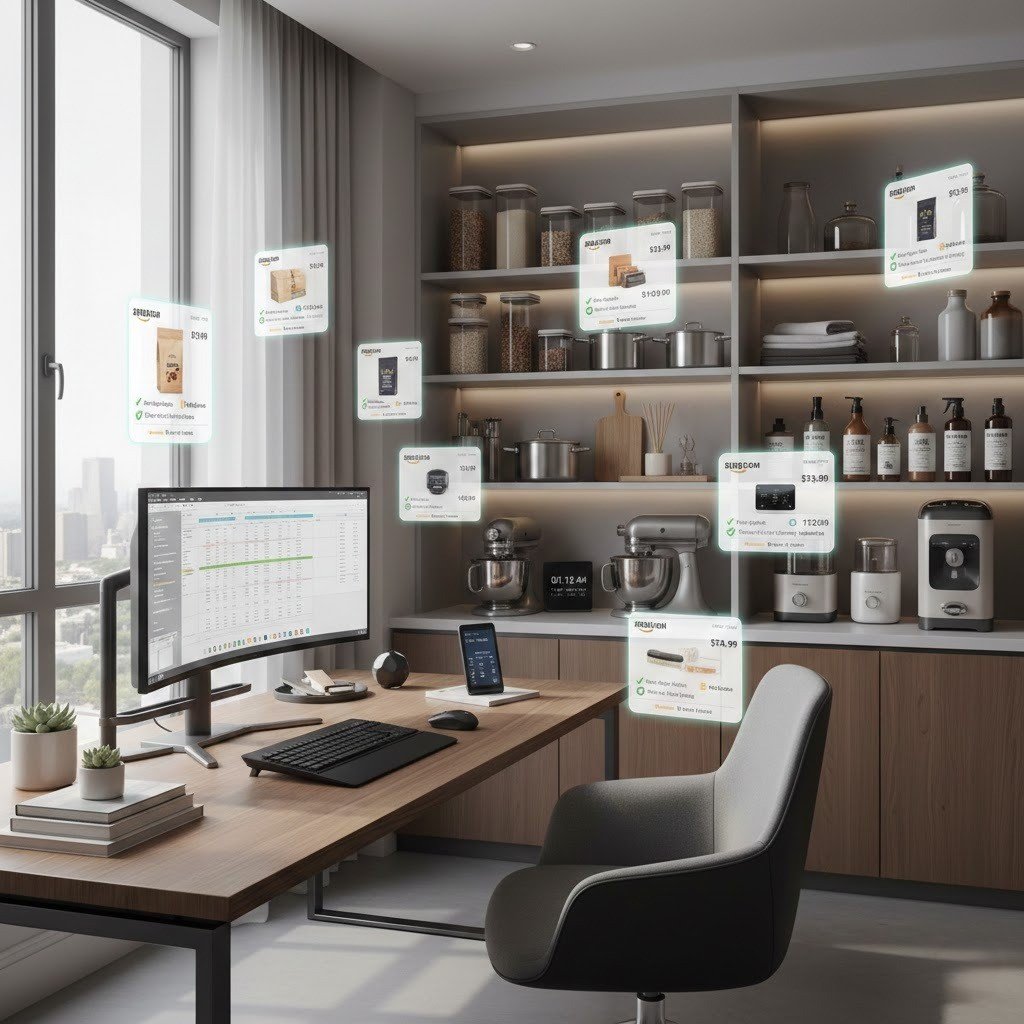
Home & Kitchen: One of the Most Reliable Categories
Home & Kitchen remains one of the most consistent categories for 2-Step Dropshipping when managed correctly.
Products in this category often solve everyday problems, which creates stable demand year-round. Items such as organizers, storage solutions, non-electronic household tools, and décor accessories typically have lower defect rates and fewer compliance concerns.
From an operational standpoint, this category allows:
- Flexible supplier sourcing
- Predictable shipping behavior
- Fewer customer disputes
- Healthy margins on mid-ticket items
Tools & Home Improvement: High Intent, Lower Emotional Returns
Tools & Home Improvement performs well because buyers usually shop with clear intent, not impulse. Customers want functionality, not perfection—which reduces emotional returns and negative feedback.
Products like measuring tools, hardware accessories, basic tools, and home improvement add-ons often ship well, have predictable weights, and face fewer brand gating issues when sourced correctly.
This category works best when:
- Products are non-electrical or low-risk
- Supplier packaging is consistent
- Listings are clear and accurate
Office Products: Quietly Profitable and Underrated
Office Products is one of the most underrated categories for 2-Step Dropshipping.
Demand is steady, competition is manageable, and products like desk organizers, accessories, stationery, and ergonomic add-ons generally have low return rates. Buyers in this category are more forgiving and less likely to open claims.
From a fulfillment perspective:
- Products are lightweight
- Packaging is simple
- Delivery expectations are realistic
- Compliance risk is low
This category is ideal for sellers who prefer operational stability over hype.
Patio, Lawn & Garden: Seasonal but Scalable
Patio, Lawn & Garden can be highly profitable when approached strategically.
Products such as garden tools, outdoor accessories, planters, and décor work well under a 2-Step Dropshipping model, especially during peak seasons. While seasonality exists, the margins during active months often compensate.
Key considerations:
- Avoid bulky or fragile items
- Focus on accessories, not heavy equipment
- Plan inventory and supplier availability in advance
When managed properly, this category offers high average order value with manageable risk.

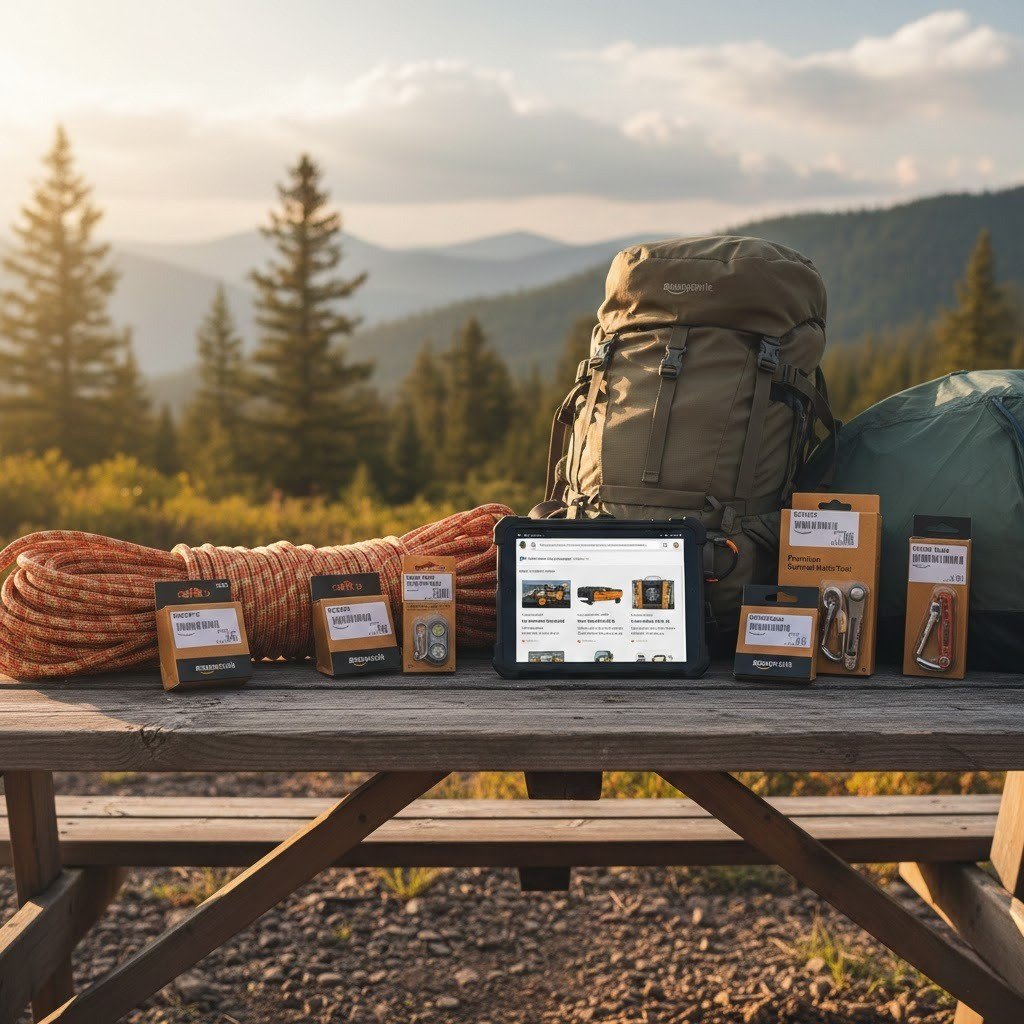
Sports & Outdoors (Selective Approach)
Sports & Outdoors works best when approached selectively.
Accessories related to fitness, camping, travel, or outdoor activities often perform well because they are:
- Non-consumable
- Low return
- Brand-light
- Problem-solving products
However, branded sports equipment, wearables, or safety-regulated items should be avoided unless compliance is fully understood.
This category rewards sellers who research carefully and avoid trend-driven products.
Pet Supplies (Non-Consumable Only)
Pet Supplies can be profitable—but only when restricted to non-consumable items.
Products like toys, accessories, grooming tools, and pet organization items tend to work well. Consumables such as food or supplements introduce compliance risks and should be avoided in dropshipping.
Why this category works:
- Emotional buying leads to repeat demand
- Accessories have healthy margins
- Lower brand enforcement on generic items
Categories We Recommend Avoiding for 2-Step Dropshipping
Equally important is knowing what not to sell.
We typically advise sellers to avoid:
- Electronics and batteries
- Medical and health products
- Supplements and consumables
- High-fragility items (glass, ceramics)
- Heavy or oversized products
- Strictly gated brand categories
These categories carry higher risks of:
- Returns
- Claims
- Compliance violations
- Supplier inconsistency
- Account health damage
Why Category Selection Matters More Than Product Selection
Many sellers obsess over individual products. In reality, category selection defines your operational ceiling.
A good category:
- Reduces daily firefighting
- Simplifies supplier management
- Protects account health
- Stabilizes margins
- Makes scaling predictable
At Ecommatic, we guide sellers toward categories that support long-term sustainability, not short-term spikes.
Final Thoughts: Choosing Categories That Let You Scale Safely
2-Step Dropshipping is not about finding shortcuts—it’s about building systems that Amazon trusts.
Choosing the right categories is the foundation of those systems.
If you want to scale Amazon dropshipping in the USA without constant suspensions, disputes, and stress, start with categories that support compliance, fulfillment efficiency, and customer satisfaction.
That’s exactly how we help sellers grow at Ecommatic—by making smart decisions before problems ever appear.