
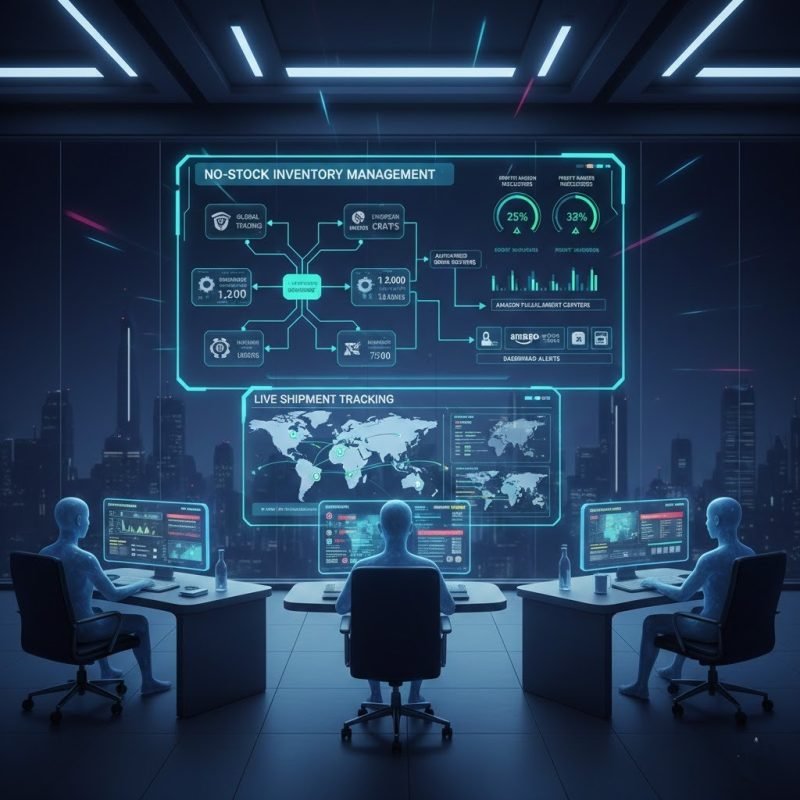
Managing Amazon inventory can be overwhelming—especially when you want to scale without investing in warehouses or holding stock. Many sellers struggle with stockouts, late shipments, or margin erosion when inventory isn’t monitored correctly.
At Ecommatic, we specialize in inventory management without holding physical stock, leveraging 2-Step Dropshipping and smart fulfillment systems that protect seller margins, ensure timely delivery, and keep Amazon accounts healthy.
Here’s a deep dive into how we do it.
Step 1: Real-Time Supplier Inventory Monitoring
Without holding stock, the biggest risk is overselling—selling products that aren’t available from suppliers. Our system connects with verified suppliers’ inventory feeds and constantly monitors stock levels in real-time.
We automatically flag low-stock SKUs, adjust pricing if needed, and prevent orders from being routed to unavailable suppliers. This ensures Amazon never penalizes sellers for out-of-stock issues.
Step 2: Dynamic Order Routing to Multiple Suppliers
When you don’t hold stock, redundancy is critical. If one supplier runs out, orders need an alternative route immediately.
Our system evaluates suppliers based on:
- Current stock
- Price & margin
- Shipping speed
- Reliability score
- Location relative to the buyer
Orders are automatically routed to the supplier best able to fulfill them on time, preventing delays and cancellations.
Step 3: Inventory-Based Pricing Automation
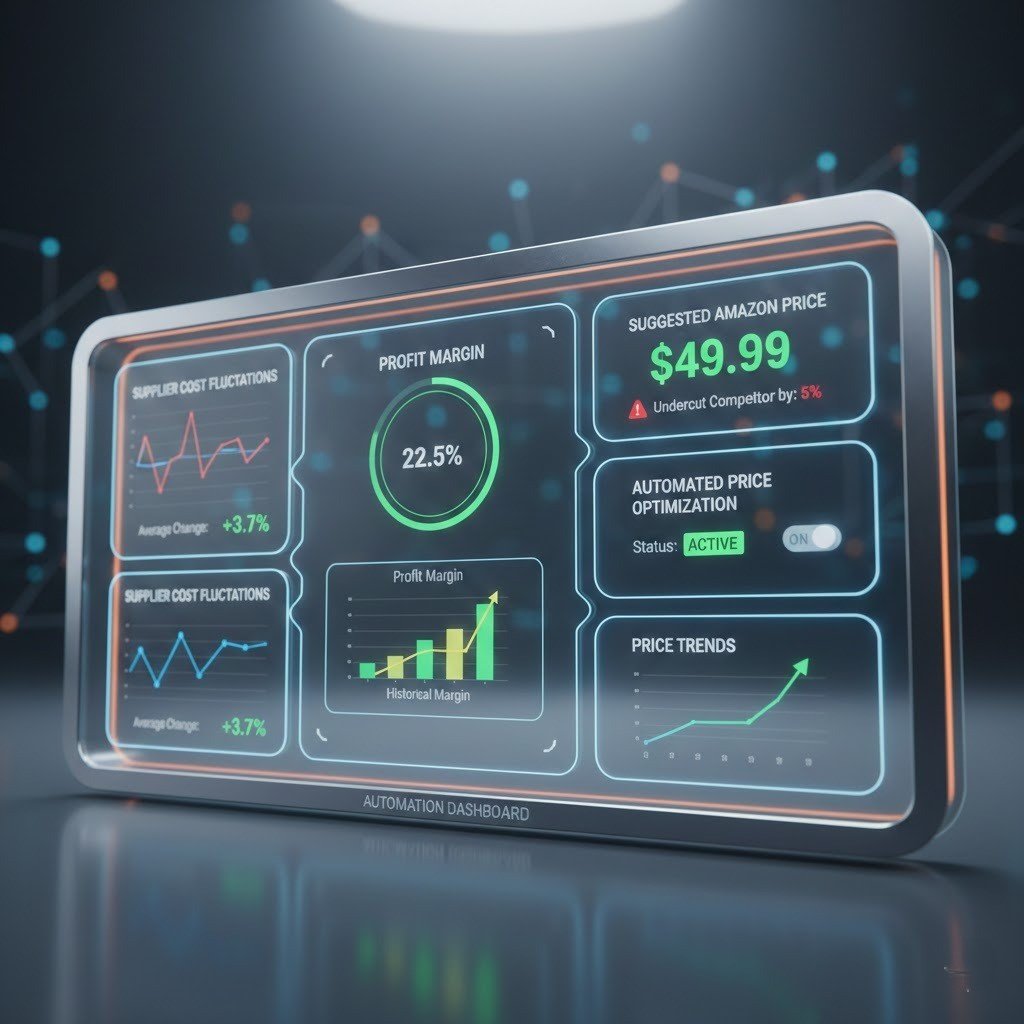
When sellers don’t hold stock, inventory levels fluctuate constantly. To protect margins, our system automatically adjusts pricing based on supplier costs, shipping fees, and current stock levels.
This prevents underpricing or overpricing while keeping the product competitive on Amazon and protecting the seller’s profit.
Step 4: Order Verification Before Fulfillment
Even with automated routing, each order passes through a verification step:
- Confirm SKU matches supplier stock
- Confirm delivery eligibility to buyer’s location
- Validate shipping method aligns with Amazon promises
- Check margin compliance
This prevents costly mistakes like stockouts, late deliveries, or negative customer feedback.
Step 5: Shipment Tracking and Exception Management
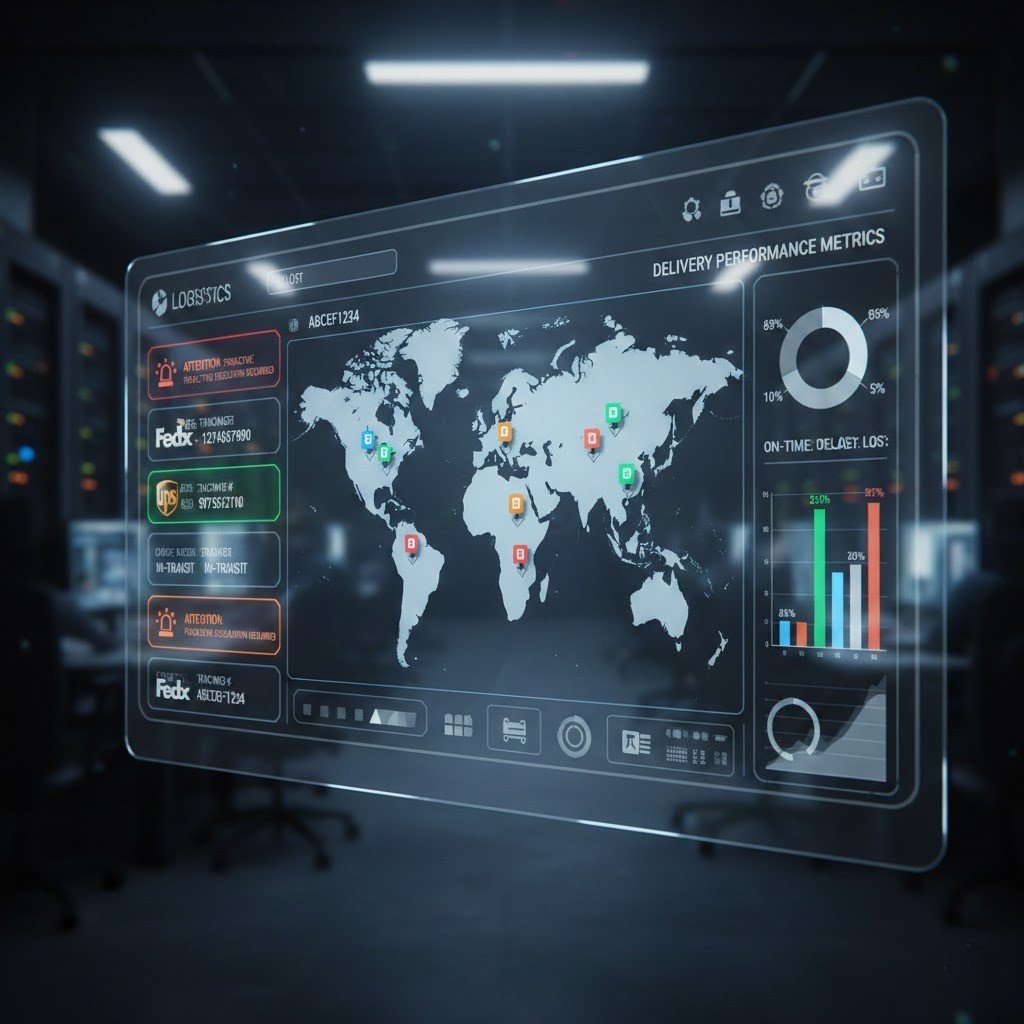
Once orders are sent to suppliers, we continuously track shipments. Our system detects:
- Late shipments
- Lost parcels
- Delivery exceptions
- Carrier delays
Any issues trigger immediate intervention by our operations team, ensuring buyers receive timely updates and Amazon accounts remain protected.
Step 6: Post-Sale Inventory Reconciliation and Reporting
To maintain smooth inventory management:
- Supplier stock levels are updated daily
- Orders are reconciled for delivered, returned, or pending items
- Insights are provided to optimize SKU selection and reorder strategy
This allows sellers to make informed decisions without physically holding stock, reducing overhead while scaling their Amazon business.
Step 7: The Human + Automation Hybrid
All these processes are powered by automation but supervised by Ecommatic’s trained virtual assistants. Human oversight ensures:
- Exceptions are handled intelligently
- Supplier issues are resolved quickly
- Customers receive proactive communication
- Amazon account health is protected
Automation ensures speed, and human judgment ensures reliability—both are essential for running inventory-free operations at scale.
Why Sellers Outsource Inventory Management Without Holding Stock
Sellers choose Ecommatic because managing inventory remotely is complex. Key benefits include:
- No warehouse or stock investment
- Reduced risk of overselling or negative feedback
- Automated profit protection
- Scalable 2-Step Dropshipping operations
- Account health protection and compliance
Final Thoughts
Inventory management without holding stock is possible—but only with the right combination of automation, supplier monitoring, dynamic pricing, and human oversight.
At Ecommatic, we’ve perfected this system for Amazon sellers in the USA, helping them scale operations safely, maximize margins, and focus on growth rather than manual inventory headaches.